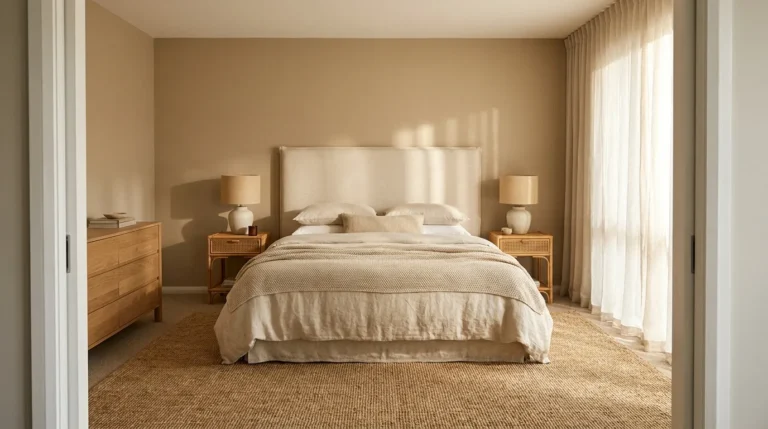
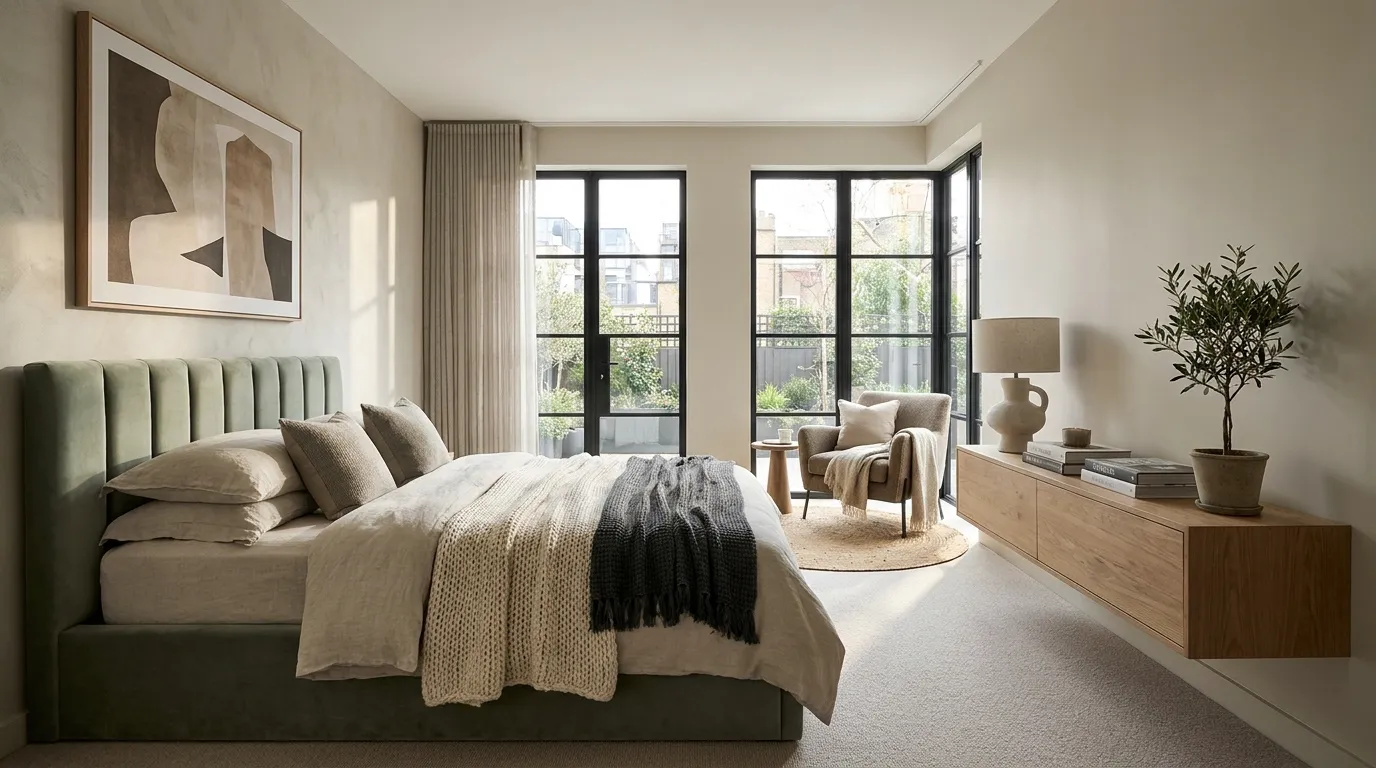
23 Modern Chic Bedroom Ideas That Feel Stylish and Relaxed
A bedroom that photographs well and a bedroom that actually feels relaxed to sleep in are not automatically the same room, and most lists of modern chic bedroom ideas only ever solve for the first one. Stack enough neutral cushions on a bed and it’ll look good for a photo. Whether it functions as a place your body actually winds down is a completely different question, and it comes down to lighting, texture, and a handful of decisions most people never think to question. This list is built around both — the choices that look good and the ones that change how the room actually feels to be in at eleven at night. Some of these are quick swaps. A few will mean rethinking furniture you’ve had for years.
1. Layer a Linen Duvet Under a Heavier Wool Throw
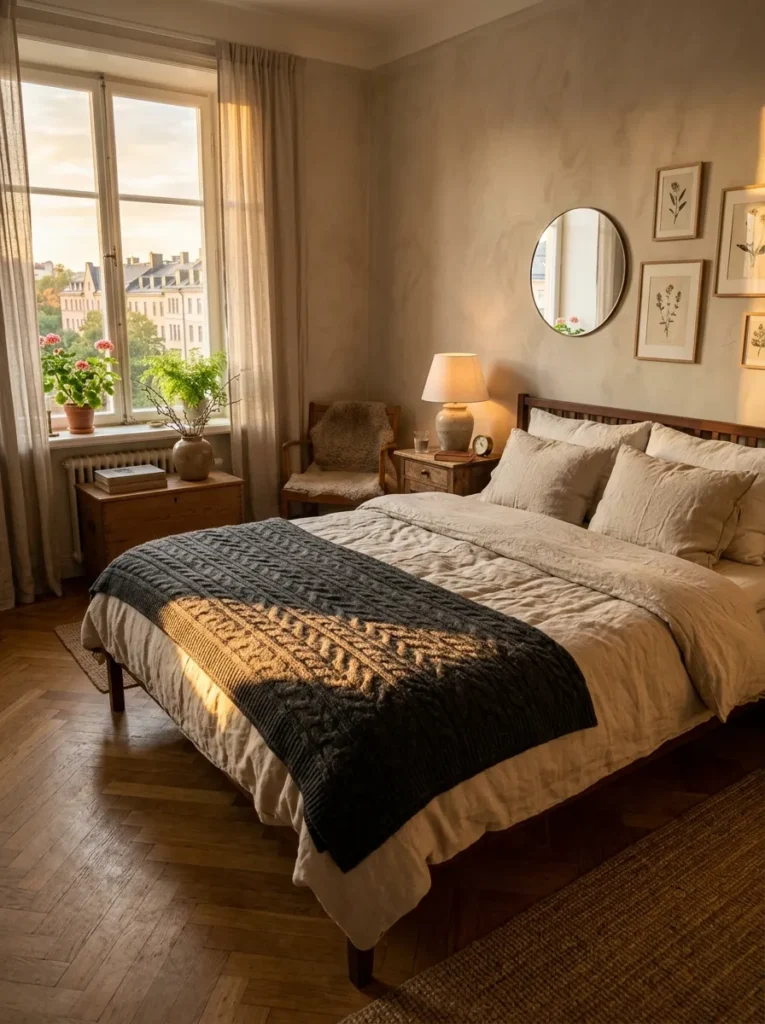
A single duvet, however nice, reads as flat once the bed is made. Layering a lightweight linen duvet cover with a chunkier wool or cable-knit throw folded across the foot of the bed adds the kind of visual and physical texture that a smooth, single-layer bed can’t manage on its own. Choose the throw in a tone slightly darker than the duvet rather than matching it exactly — the contrast is what keeps the layering from reading as accidental.
2. Choose a Low Platform Bed Over a Tall Frame
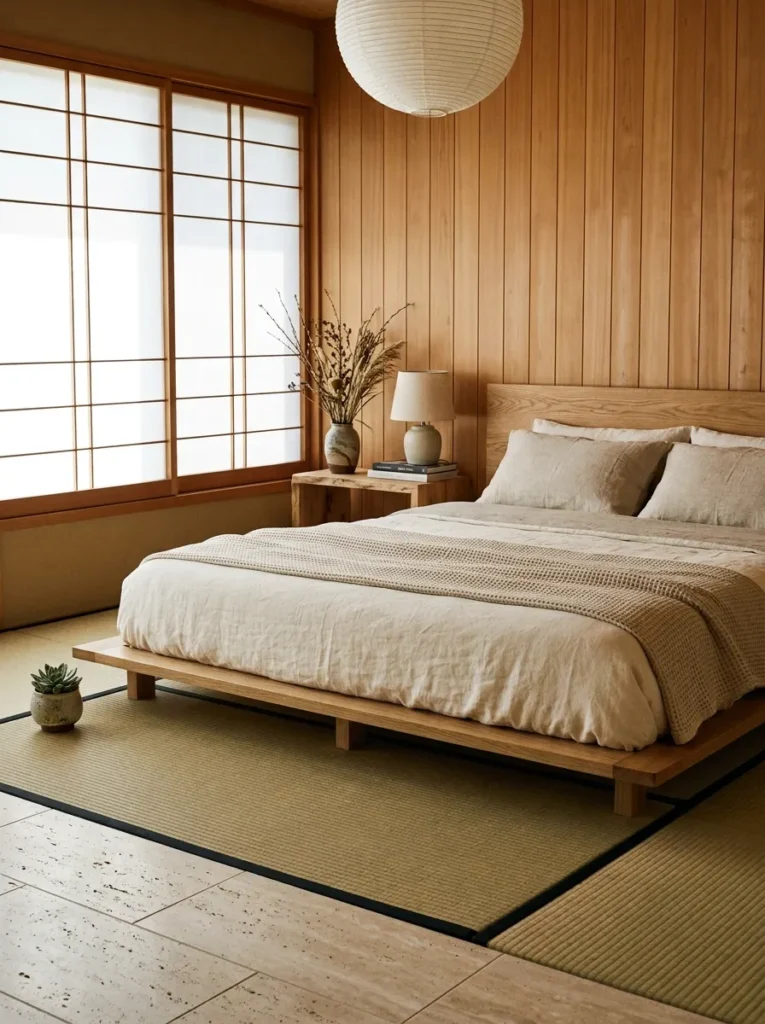
A tall, boxy bed frame with a high footboard tends to dominate a room and make the ceiling feel lower than it is. A low platform frame, ideally under 35 centimetres off the ground, opens up the visual space around it and reads as considerably more relaxed, which is the entire point of a modern chic bedroom in the first place. This is the decision most people skip because a platform bed feels like a bigger commitment. It isn’t — it’s usually the cheaper option.
3. Replace Overhead Light With Dimmable Bedside Lamps
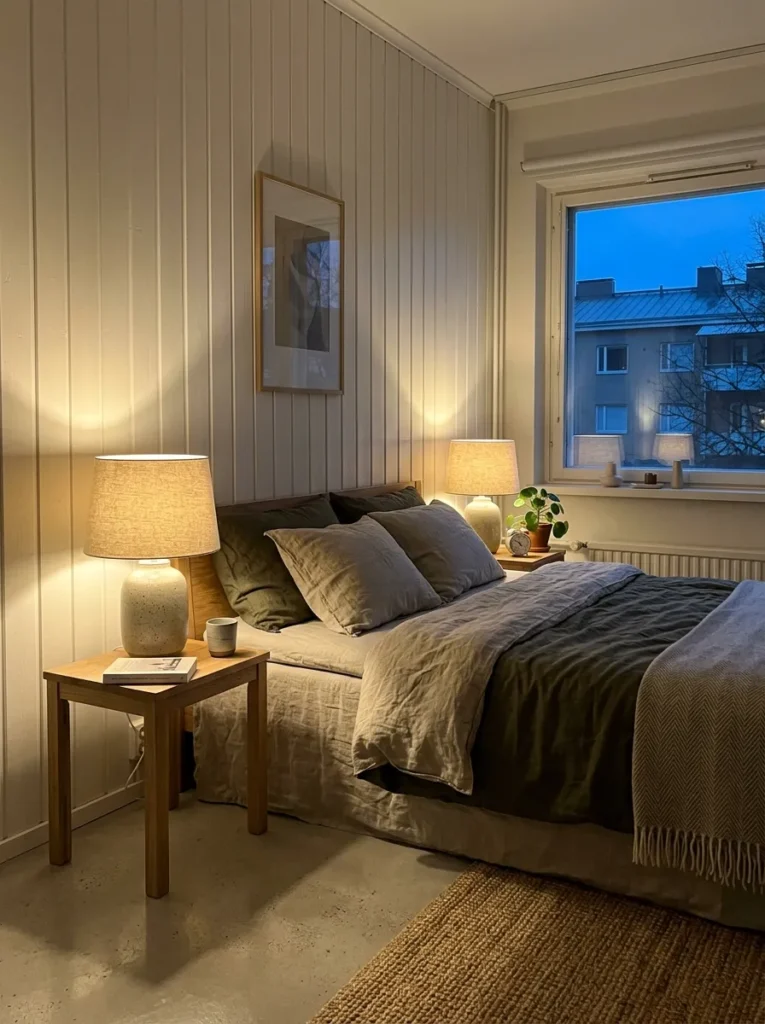
Overhead lighting in a bedroom does one thing well: making the room feel like an operating theater right before sleep. A pair of dimmable table lamps on the nightstands, fitted with warm 2700K bulbs, lets the room shift from bright and functional in the morning to soft and low well before bed. Turn the ceiling light off entirely most evenings. The room will thank you for it.
4. Upholster the Headboard in Bouclé, Not Velvet
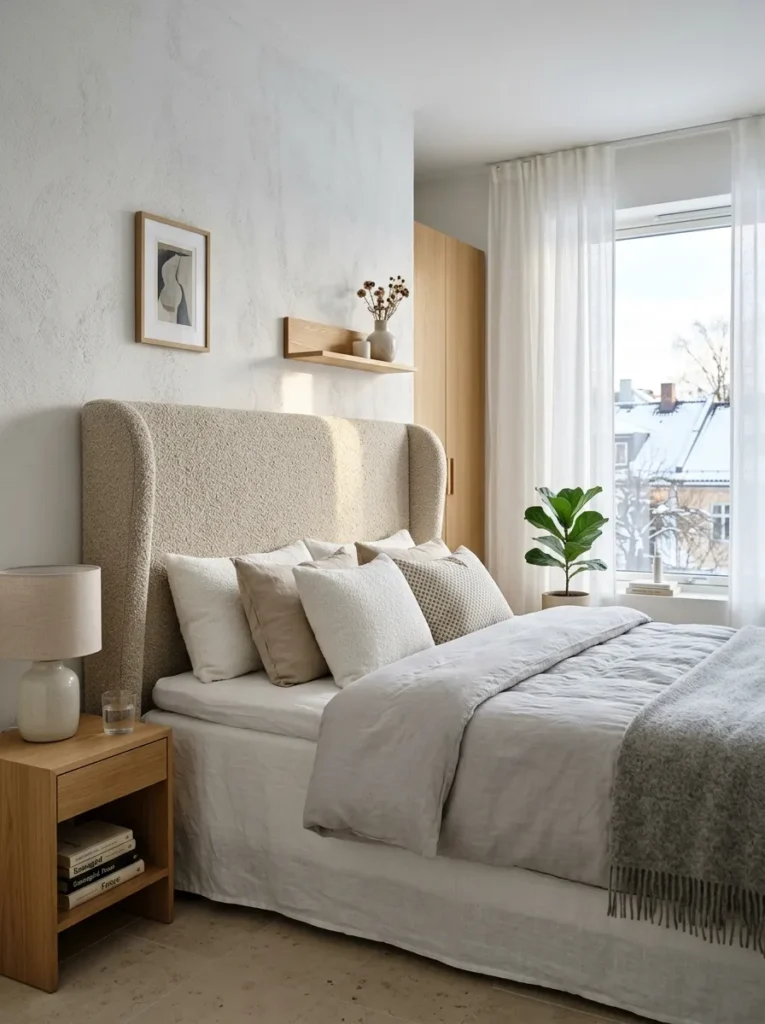
Velvet headboards photograph beautifully and show every crease and oil mark within months of actual use — a bouclé or heavy linen headboard hides the same wear far better and softens with age instead of flattening. Go for a headboard at least 120 centimetres tall if the ceiling allows it; anything shorter gets visually lost once pillows are stacked against it. Most people underestimate how much height a headboard actually needs.
5. Layer Blackout Drapery Behind Sheer Linen Curtains
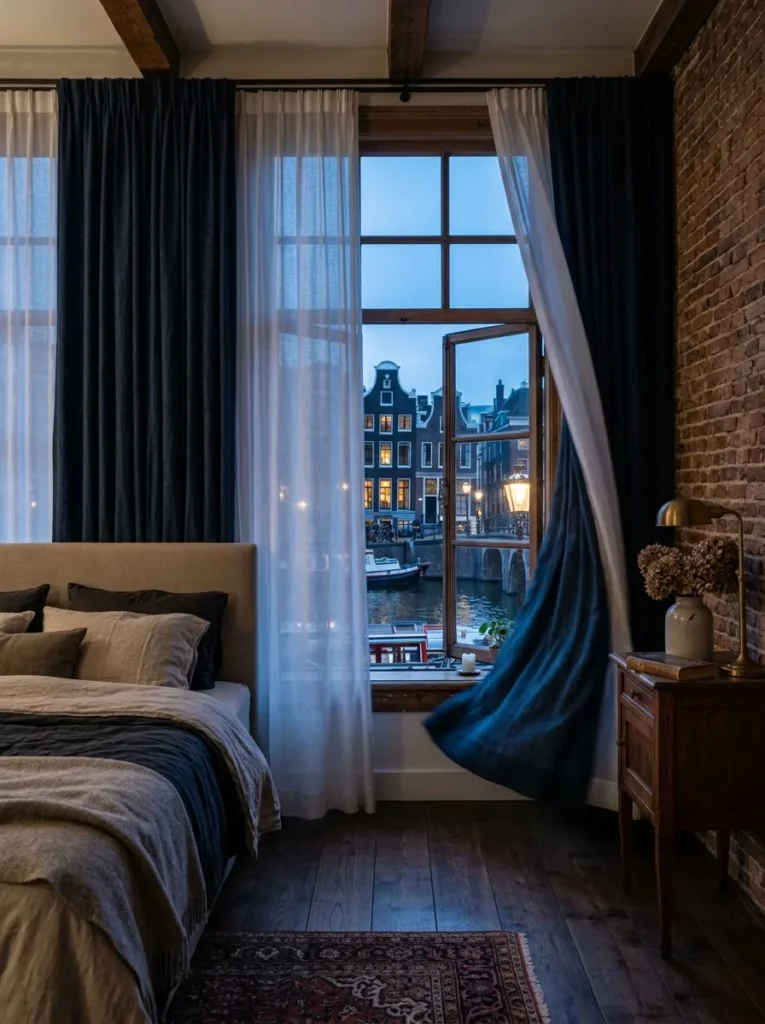
A single layer of curtains is doing half a job here. Sheer linen against the glass lets in soft, diffused light during the day; blackout drapery layered behind it on the same track means the room can go fully dark the moment you need it to. This is the setup that makes a relaxed bedroom design actually function as one, rather than just looking like it does in photos taken at noon.
6. Add One Textured Accent Wall, Not Four Painted Ones
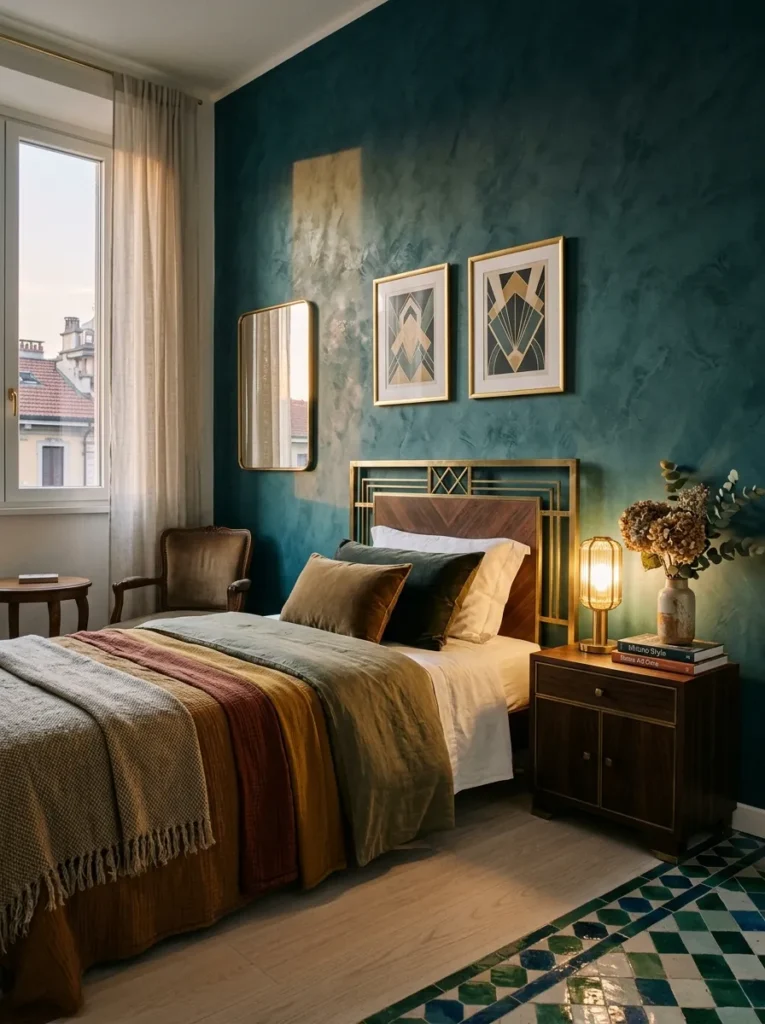
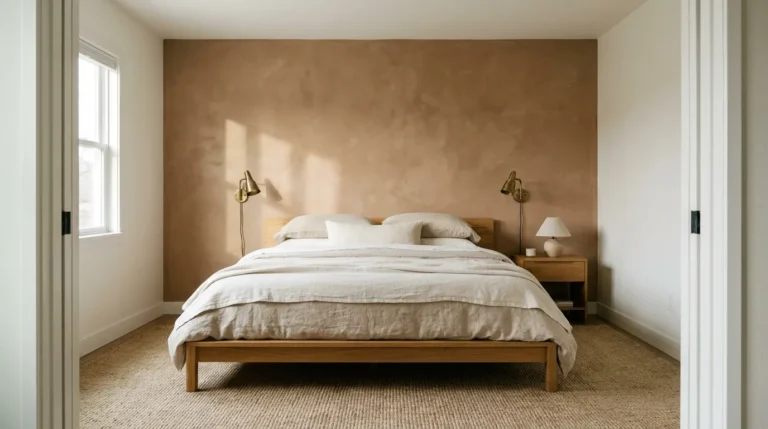
A single wall behind the headboard finished in limewash, microcement, or a deep painted tone gives the room a focal point without tipping into an overdesigned space. Leave the remaining three walls in a soft, warm neutral. Most people either paint every wall the same color or go overboard on all four — the restraint of doing just one wall is what makes it read as intentional.
7. Choose Mismatched Nightstands, Not a Matching Pair
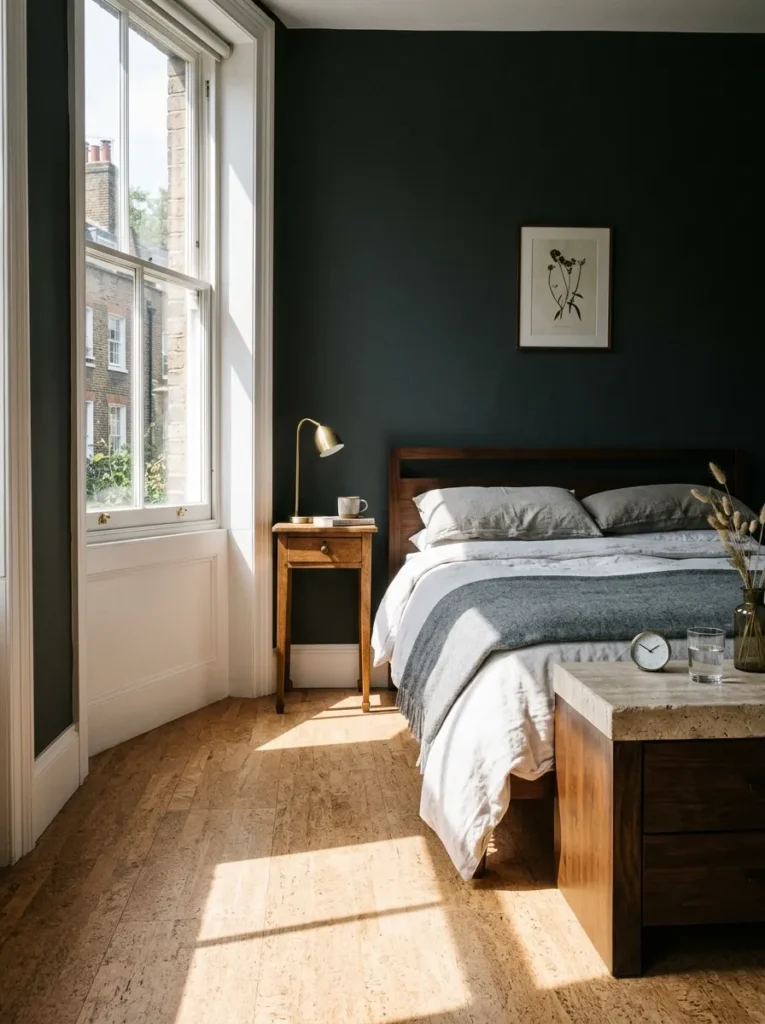
The matching nightstand pair is always the safer choice and almost never the more interesting one. Pairing a taller, slimmer nightstand on one side with a lower, more solid one on the other gives the room a sense of having been put together over time rather than bought as a bedroom set. Keep both within the same general tone so the mismatch reads as intentional rather than accidental.
8. Lean a Large Mirror Against the Wall Instead of Hanging It
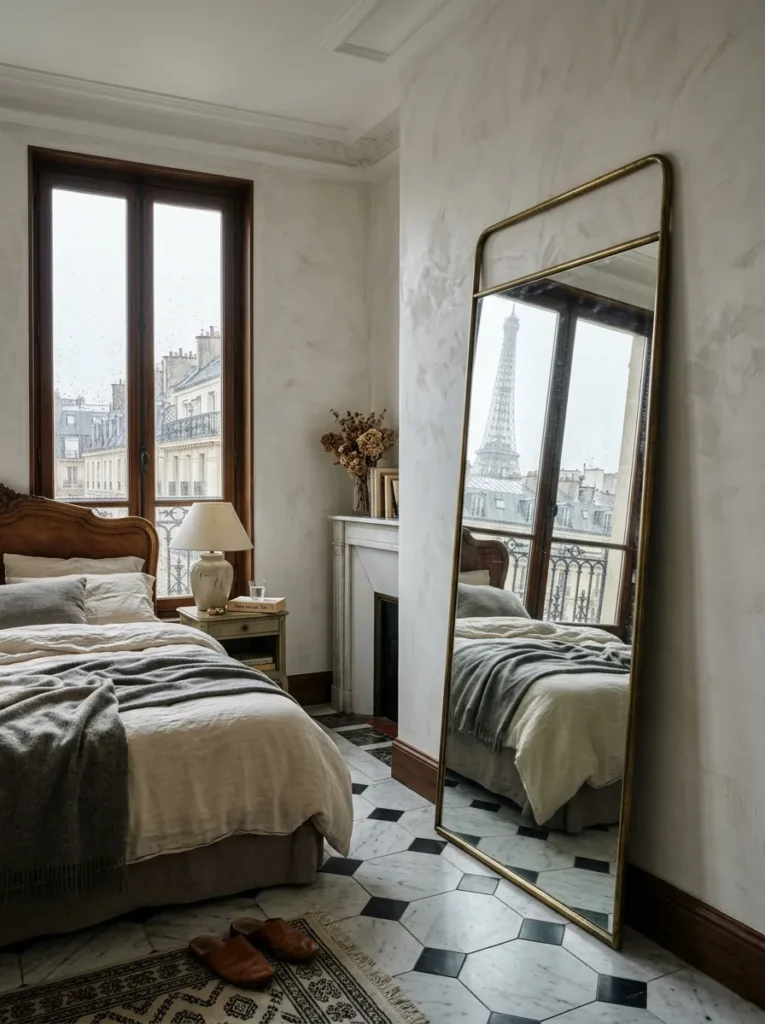
A large mirror propped casually against the wall rather than mounted at a fixed height introduces a slightly undone, lived-in quality that a hung mirror never achieves. It also does the practical job of bouncing whatever natural light the room gets across the space, which matters enormously in a bedroom with only one window. Choose one with a thin frame in unlacquered brass or blackened steel — anything ornate competes with the effect instead of supporting it.
9. Flank the Bed With Wall Sconces Instead of Table Lamps
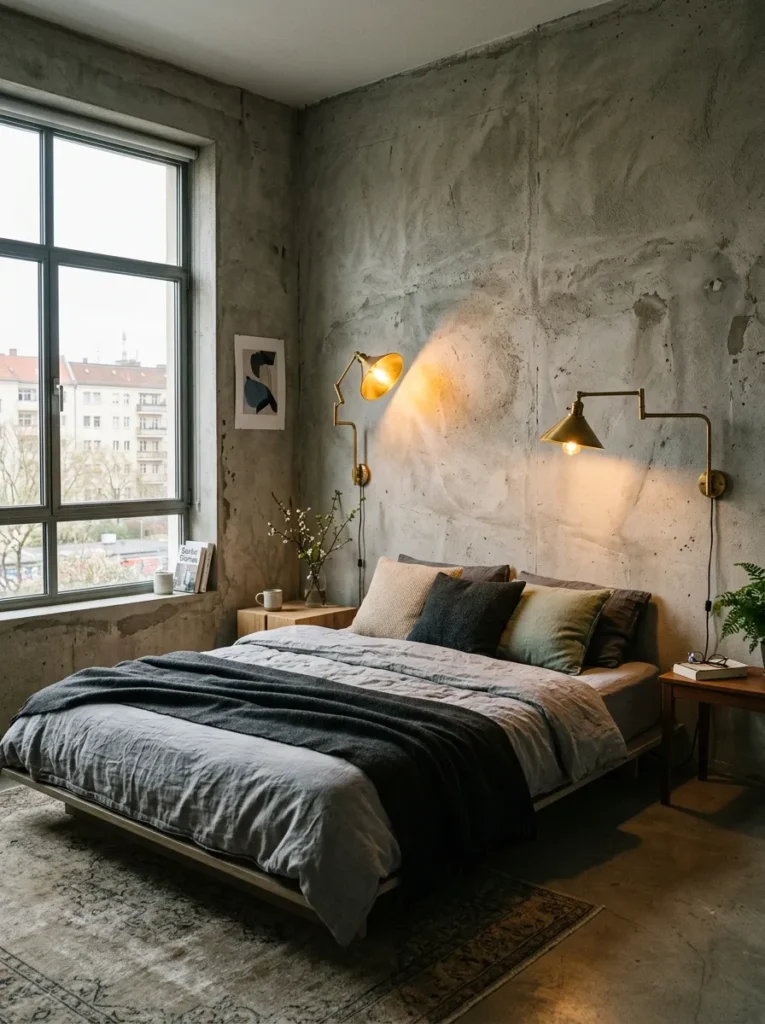
Table lamps take up nightstand space that could otherwise hold a book, a glass of water, or nothing at all. Wall-mounted sconces with an articulating arm free up that surface entirely and give the room a more architectural, considered feel than lamps ever manage. Mount them at roughly 100 to 110 centimetres from the floor, positioned so the light falls just past shoulder height when seated up against the headboard.
10. Layer a Flatwoven Rug Under a Softer Wool One by the Bed
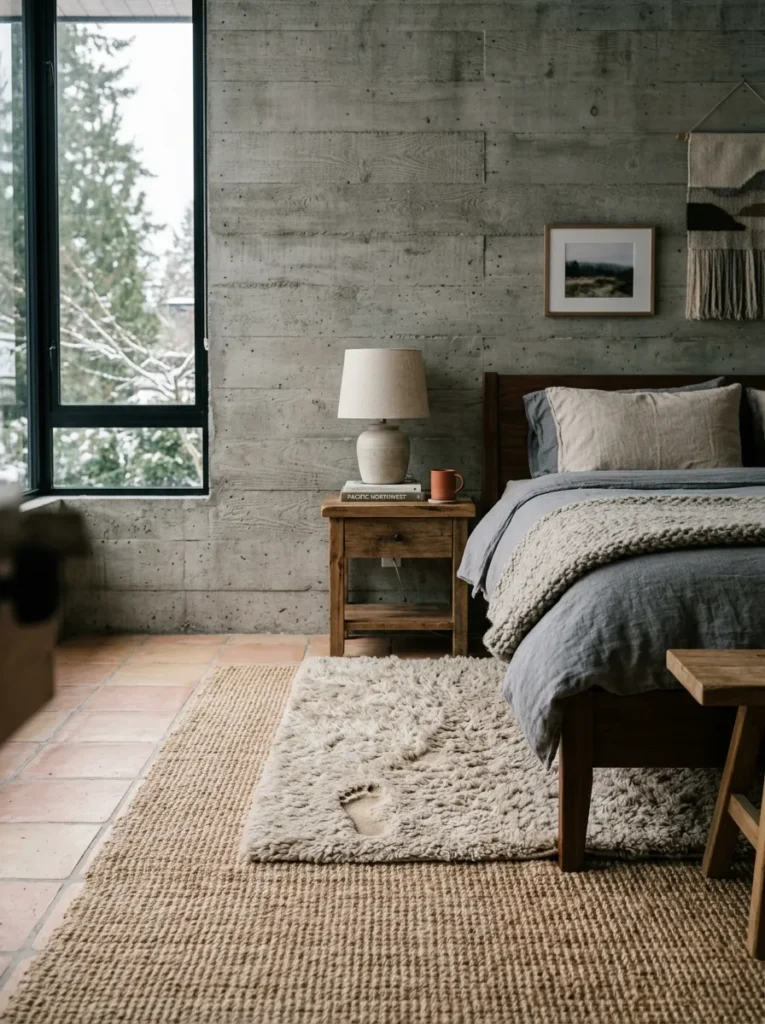
Bare feet hitting a cold floor first thing in the morning is not a relaxed way to start a day. Layering a wide, flatwoven jute or wool rug under a smaller, plusher wool one placed specifically where feet land when getting out of bed solves the practical problem and adds visual depth to the floor at the same time. That’s not just practically useful. It also looks considerably better than one thin rug centered under the bed frame.
11. Keep Every Wood Tone in the Room Within One Family

Mixing a walnut bed frame with an oak nightstand and a pine bench is one of the fastest ways an otherwise well-planned modern chic bedroom starts to feel disjointed. Pick one dominant wood tone and let every other wood piece in the room echo it closely, even if the pieces aren’t from the same collection. Nobody consciously registers this detail when it’s done right. Everyone feels it when it isn’t.
12. Hang One Large-Scale Print, Skip the Gallery Wall

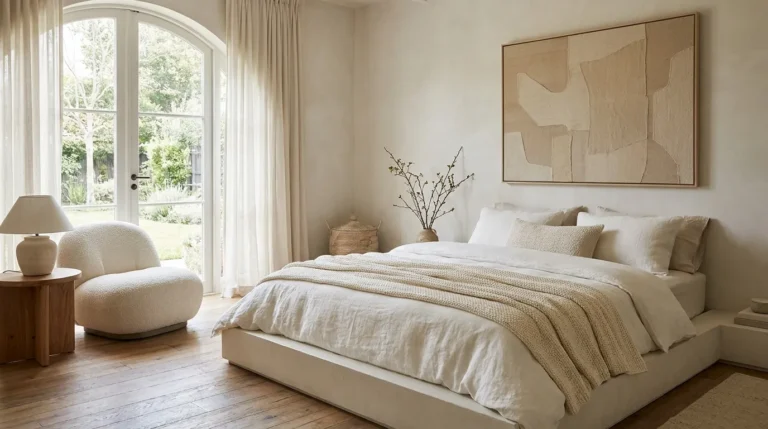
A cluster of small framed photos above the bed reads as busy in a room that’s supposed to feel calm before sleep. One oversized print — an abstract wash, a black-and-white photograph, a large botanical study — in a slim frame does more with considerably less visual noise. Go bigger than feels comfortable. A print that feels slightly oversized for the wall is almost always the right call.
13. Install Floating Shelves Instead of a Full Bookcase
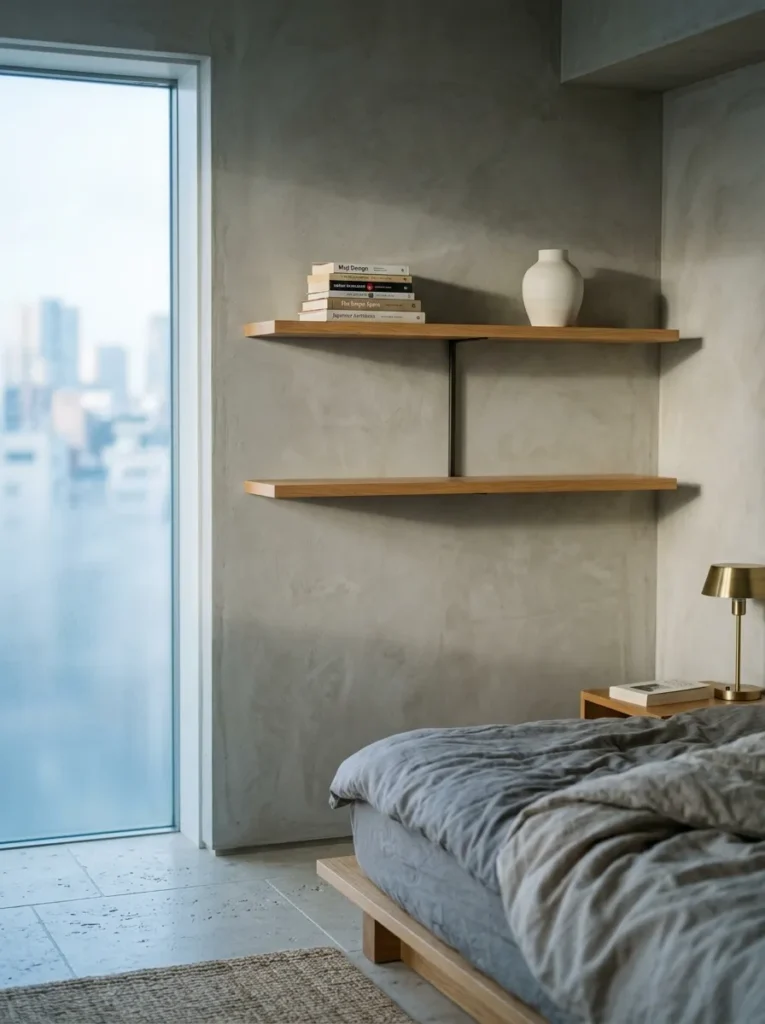
A tall bookcase against a bedroom wall reads as a home office that wandered into the wrong room. Two or three floating oak shelves, styled with a small stack of books and one object rather than crammed full, give the room a place for personal items without the bulk of a full storage unit. Leave visible gaps between groupings — the empty space is doing as much work as the books themselves.
14. Place a Bench at the Foot of the Bed
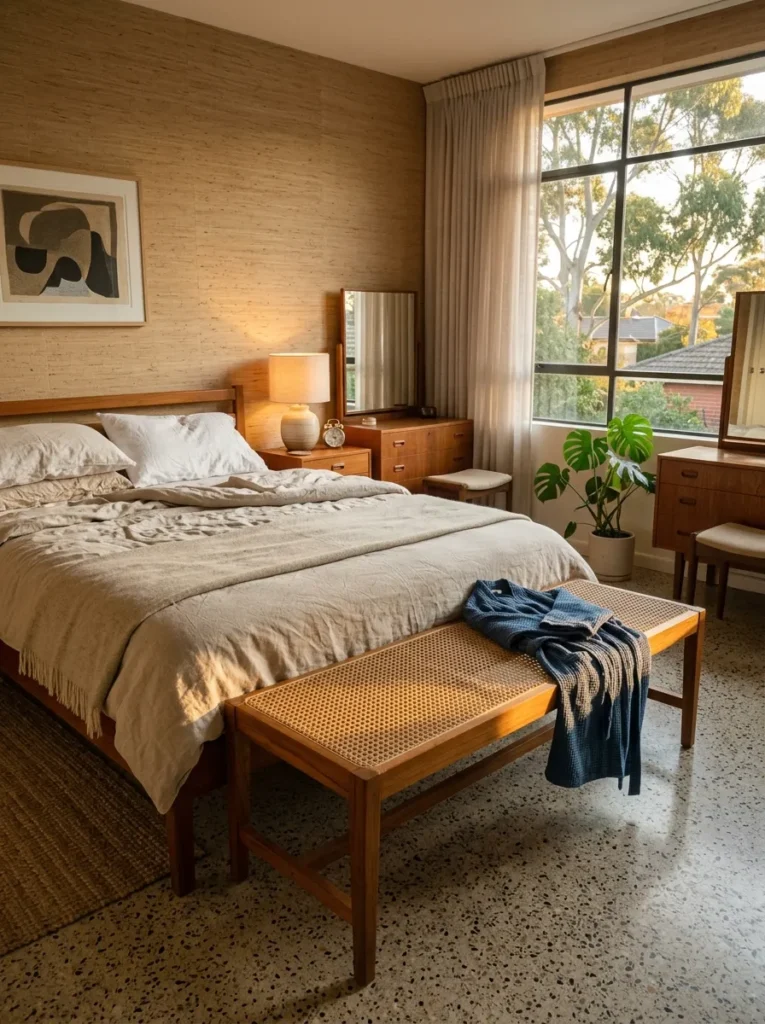
An upholstered or woven bench at the foot of the bed solves a problem most people don’t realize they have: somewhere to sit while putting on shoes, somewhere to drop a robe overnight, somewhere for the throw blanket to live during the day instead of in a heap on the pillows. Choose one in a slightly different material from the headboard — cane, leather, or bouclé — so it reads as a distinct piece rather than a matching accessory.
15. Hang Curtains High and Wide, Not Fitted to the Window Frame
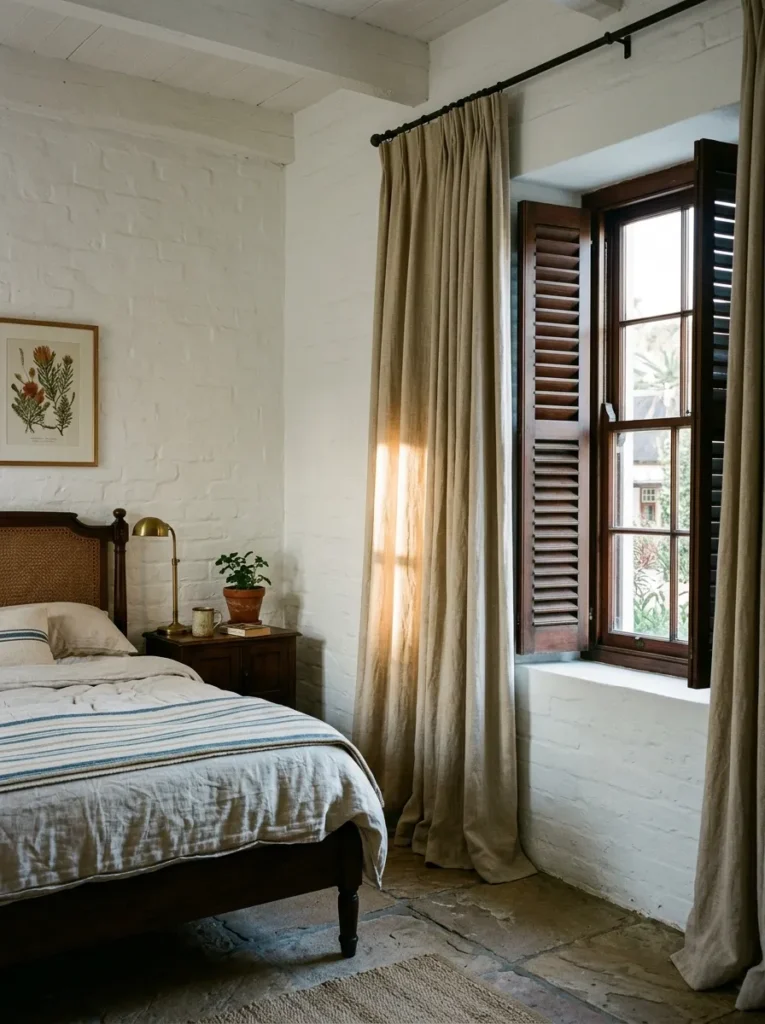
Curtains mounted just above the window frame make the ceiling feel lower and the window feel smaller than it is. Mounting the rod as close to the ceiling as possible and extending it 20 to 30 centimetres beyond each side of the window frame tricks the eye into reading both the ceiling and the window as considerably larger. This is one of the cheapest changes on this entire list and one of the most noticeable.
16. Remove the Overhead Fixture Entirely in Small Bedrooms
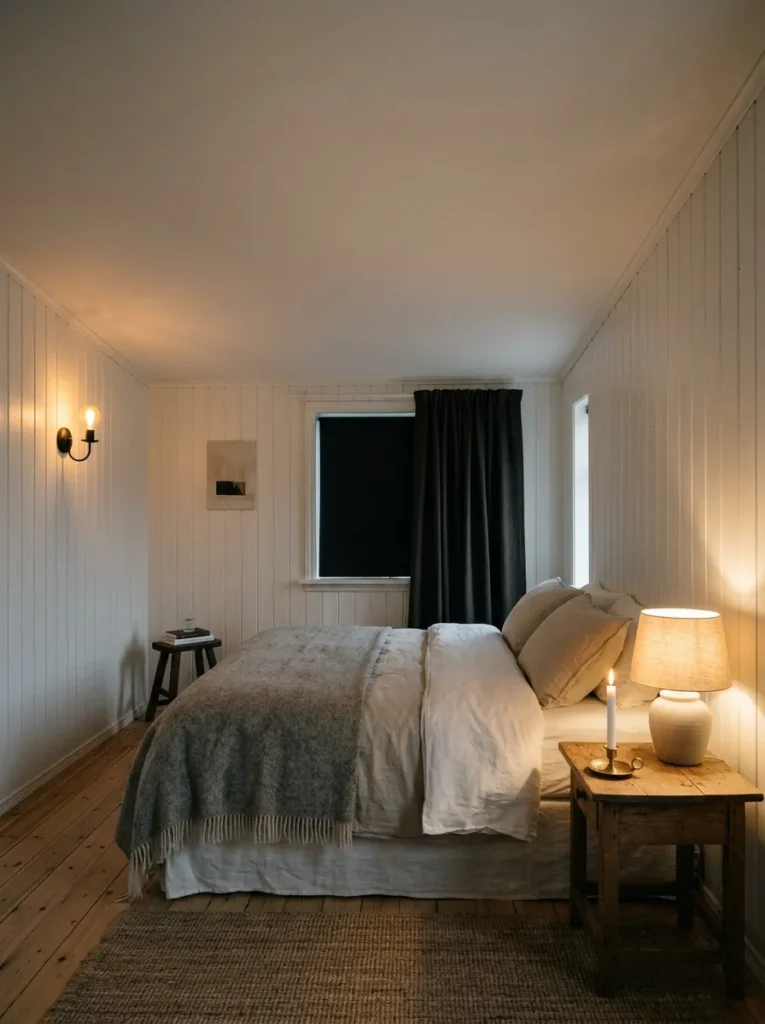
In a genuinely small bedroom, a ceiling fixture is often just another object competing for visual space in a room that doesn’t have much to spare. Removing it entirely and relying on layered lamp and sconce lighting instead can make a cramped room feel less crowded the moment you look up and see a plain, uninterrupted ceiling. Most people assume every bedroom needs an overhead light. It doesn’t.
17. Choose a Wardrobe With Fluted or Woven Cane Doors
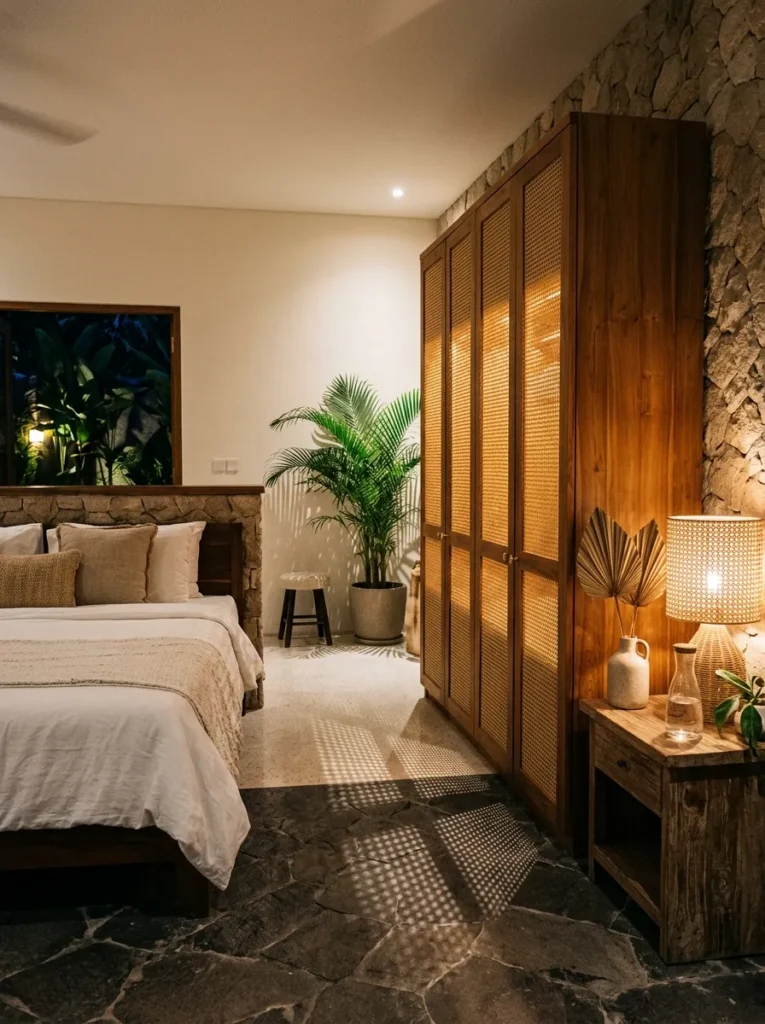
A flat, flush wardrobe door disappears into the wall, which is sometimes exactly what you want and sometimes a missed opportunity. Fluted wood paneling or woven cane inserts on wardrobe doors introduce texture into a piece of furniture that’s usually treated as purely functional. This works particularly well as the one textural statement piece in an otherwise quiet, neutral bedroom design.
18. Add a Single Chair by the Window, Not a Full Seating Area
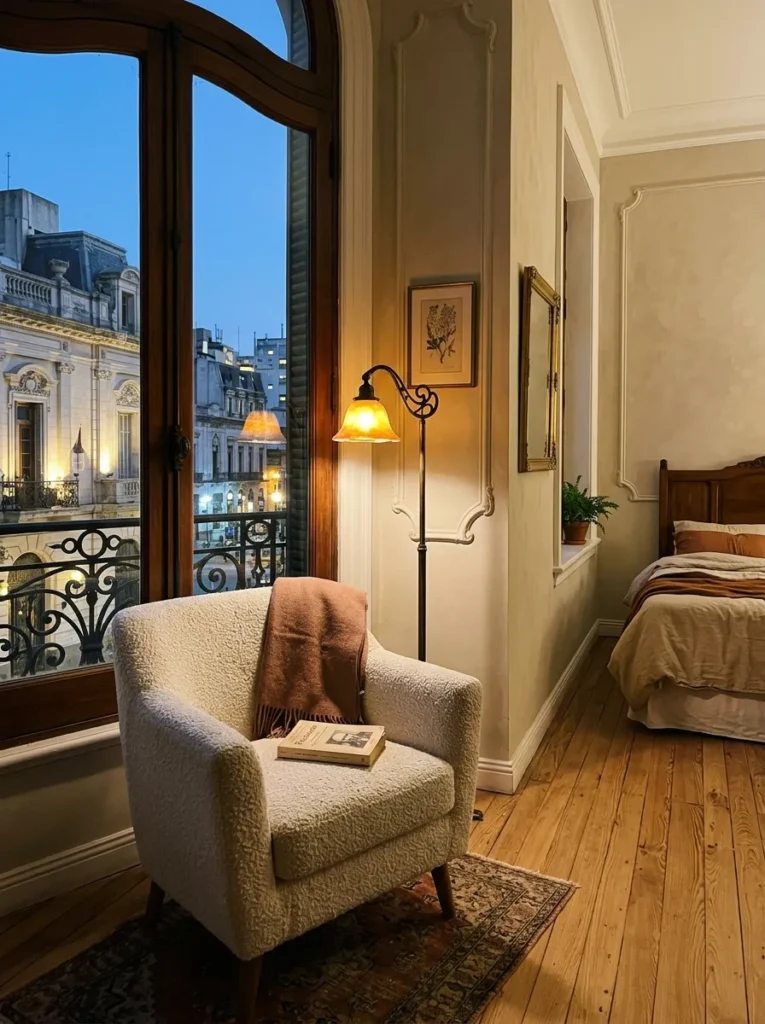
A full armchair-and-side-table setup can overwhelm a bedroom that’s meant to feel restful rather than like a second living room. One well-chosen chair — bouclé, cane, or leather — placed near natural light gives the room a spot to read or get dressed without turning it into a multi-function space. Skip the ottoman. It usually just becomes somewhere to pile clothes.
19. Mix Linen Sheets With Velvet Cushions and a Wool Throw

A bed dressed entirely in one material, however nice, looks flat under any lighting condition. Combining crisp linen sheets, two or three velvet lumbar cushions, and a wool throw at the foot gives the bed the same textural depth that makes the rest of a stylish bedroom decor scheme work. Most people apply this idea to the sofa in the living room and completely forget the bed is a textile surface too.
20. Bring in One Large Plant for Organic Softness
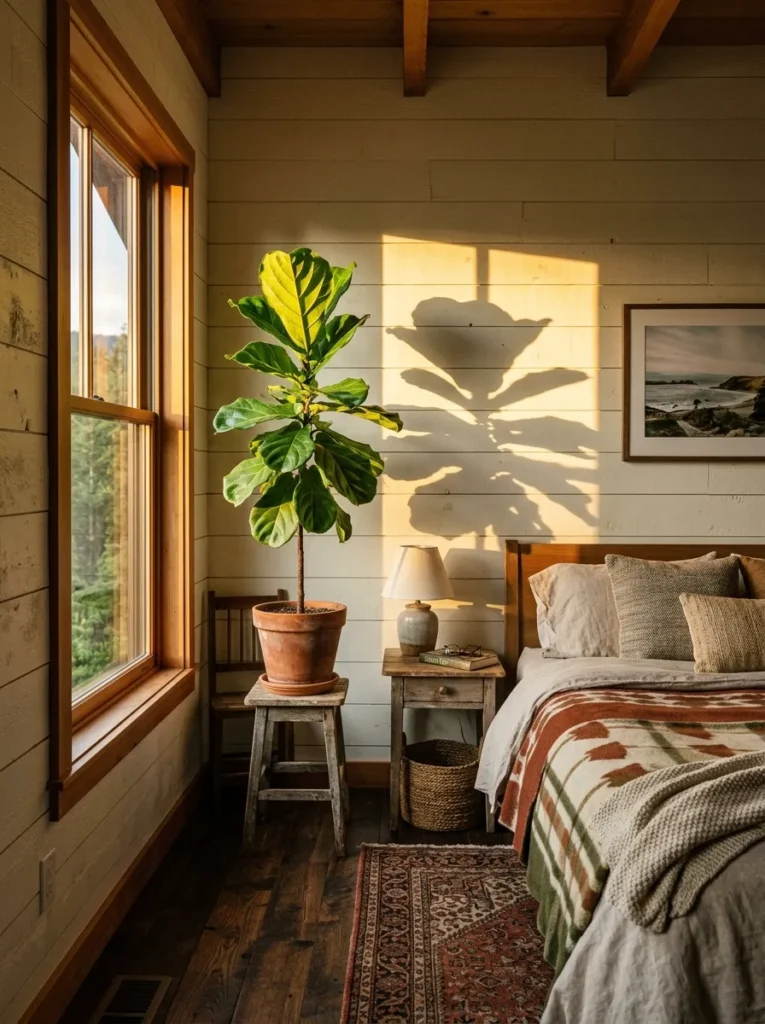
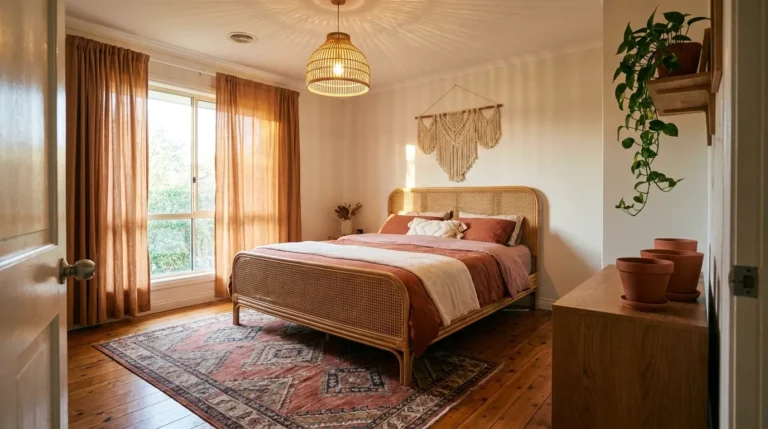
A single fiddle-leaf fig or a trailing pothos on a plant stand introduces the kind of irregular, organic shape that a room full of straight furniture lines and flat textiles doesn’t have on its own. One large plant does this far better than a windowsill lined with small pots, which just reads as clutter in a room built around calm. Place it near, not directly in front of, the window it needs to survive.
21. Put Every Light Source in the Room on a Dimmer
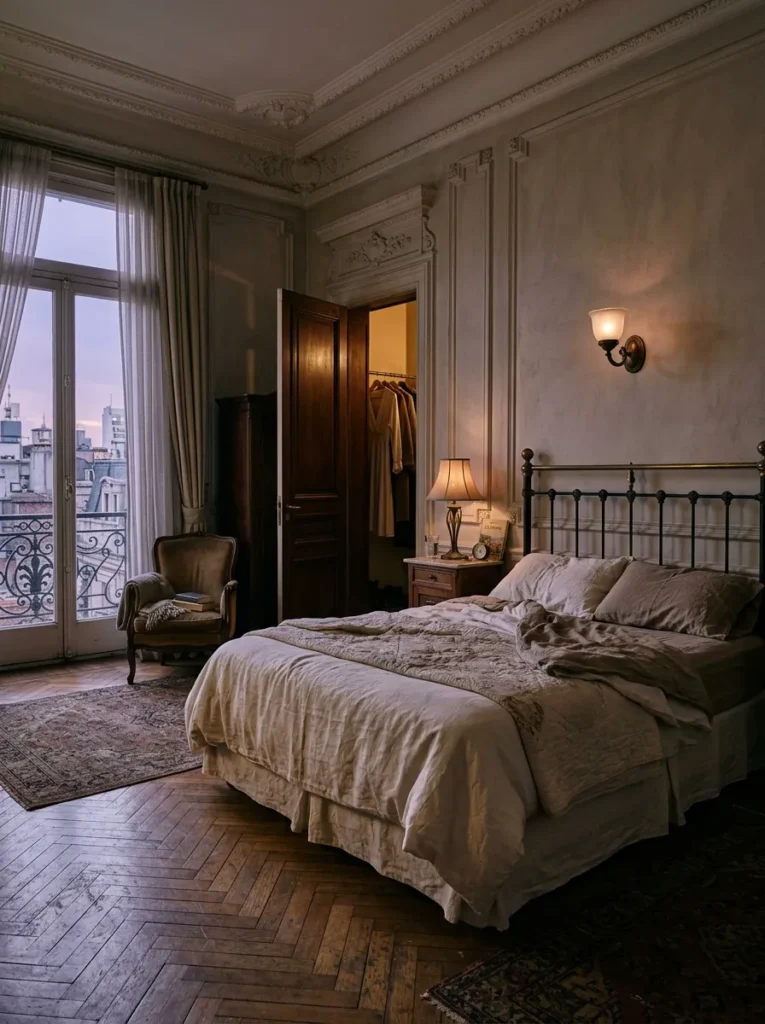
Lamps, sconces, even the closet light — every single fixture in the bedroom benefits from being on a dimmer rather than a simple on-off switch. This is the detail that lets the room shift from fully bright while getting dressed in the morning to almost dark right before sleep, without a single lamp needing to be unplugged or swapped. It costs very little to retrofit and changes how the entire room functions after dark.
22. Add a Small Vanity Instead of Using the Bathroom Counter

A dedicated vanity area with a stool tucked under it and a mirror above gives skincare and getting-ready routines somewhere to live that isn’t a cramped bathroom counter. Keep the surface almost entirely clear except for a single tray, since a cluttered vanity defeats the calm the rest of the room is working toward. This is a small footprint addition with an outsized effect on how organized the whole room feels.
23. Keep One Deliberately Worn or Vintage Piece in the Room

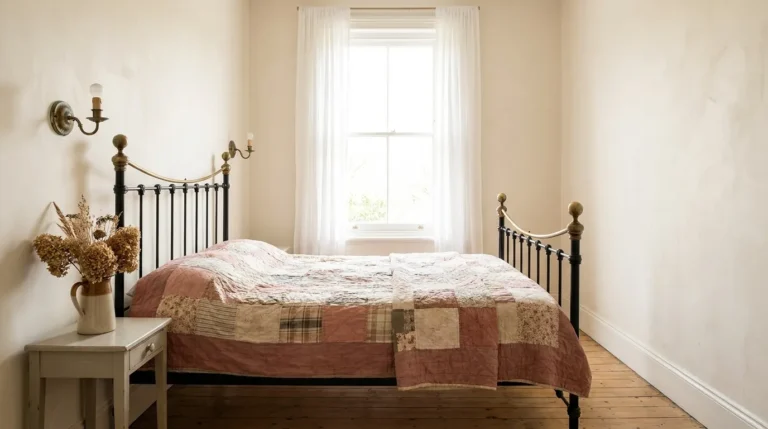
Here’s the one most lists won’t tell you: a bedroom where every single object was bought new and coordinated within the same season stops feeling like a bedroom and starts feeling like a hotel room, which is exactly the opposite of relaxed. A single inherited chair, a scuffed vintage trunk at the foot of the bed, a rug with a visible worn patch near the door — one piece that clearly wasn’t chosen to match anything is what convinces the room, and you, that it’s actually lived in. Perfect coordination is the tell. Leave the seam showing on purpose.
Final Thoughts
Twenty-three ideas is more than anyone needs to tackle in a single weekend, and trying to install all of them at once usually leaves a bedroom feeling overworked rather than relaxed. Start with lighting — the dimmable lamps, the layered curtains, the sconces — since those changes cost the least and make the biggest difference to how the room actually functions at night. From there, move to texture: the bedding layers, the rug, the headboard fabric. The best modern chic bedroom ideas were never really about matching furniture at all; they’re about a handful of specific decisions around light and material that most people never think to question. Get the lighting right first. Everything else in the room becomes easier to get right after that.
Save these modern chic bedroom ideas for your next home refresh.