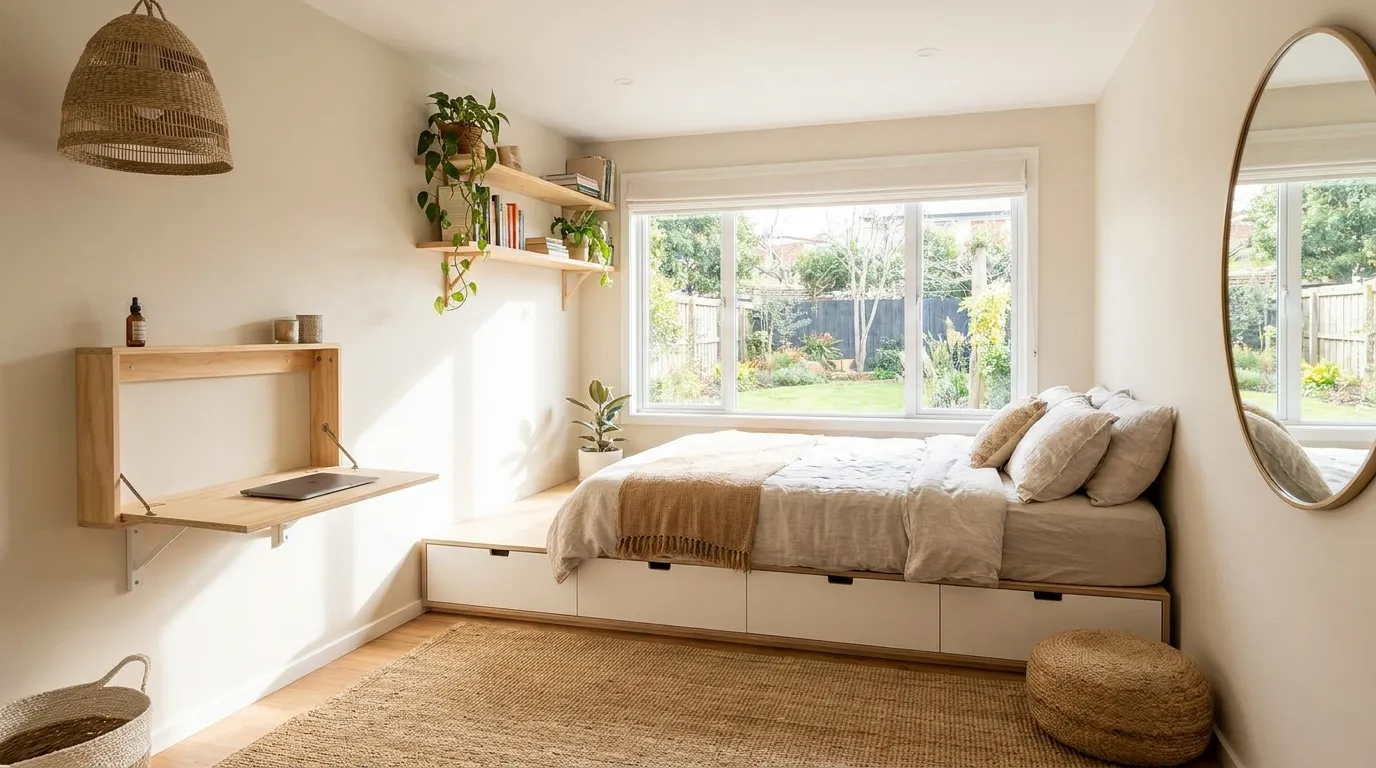
23 Small Bedroom Ideas That Maximize Space and Style
A small bedroom doesn’t have to feel cramped, cluttered, or limiting. In fact, some of the most beautiful bedrooms make the smartest use of limited square footage. The key is designing intentionally instead of trying to fit too much into the space. Strategic storage, thoughtful furniture choices, and a few visual design tricks can completely transform how a room looks and functions. Whether you’re decorating a tiny apartment bedroom, a compact guest room, a dorm, or a narrow box room, the right solutions can help you create a space that feels comfortable, organized, and surprisingly spacious. These small bedroom ideas focus on maximizing every inch while still creating a room that feels stylish, relaxing, and personalized.
1) Use a Platform Bed With Hidden Storage
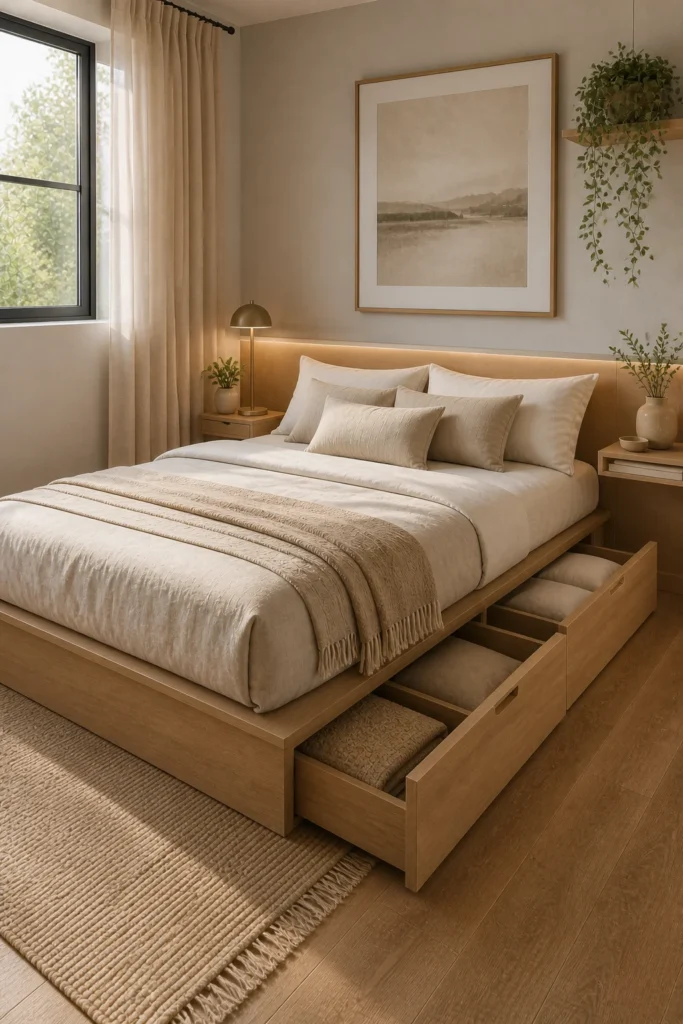
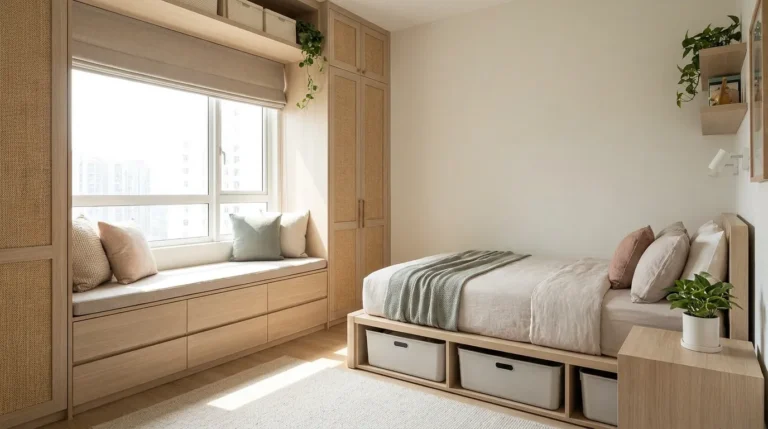
A platform bed with built-in storage instantly solves one of the biggest challenges in a small bedroom: finding space for everyday items without adding bulky furniture. Drawers hidden beneath the mattress can hold extra bedding, seasonal clothing, shoes, or rarely used accessories that would otherwise require a dresser or storage bins. This solution works especially well in apartments and compact bedrooms where every square foot matters. Choose a low-profile frame in a light wood or neutral finish to maintain an open look while gaining substantial hidden storage.
2) Install Wall-Mounted Nightstands
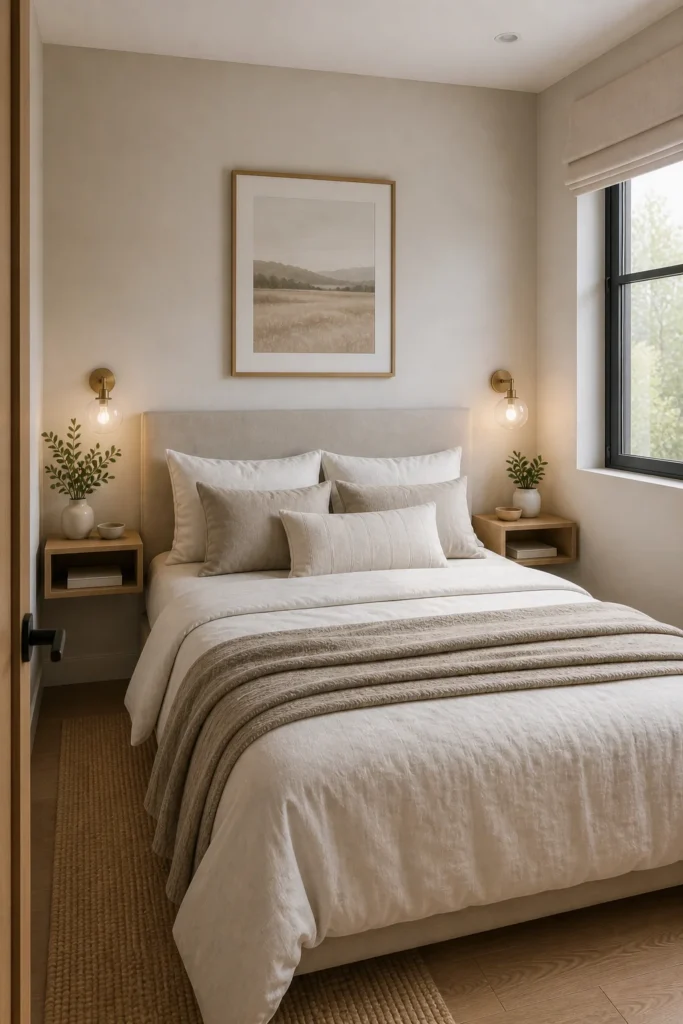
Wall-mounted nightstands free up valuable floor space while still providing a practical spot for essentials like a phone, book, alarm clock, or glass of water. Because they float above the floor, they create a lighter visual footprint that helps the room feel larger. They also make cleaning easier and allow you to customize the height based on your bed. Pair them with wall sconces or pendant lights to eliminate tabletop lamps and create a sleek, uncluttered bedside setup.
3) Use Mirrors to Reflect Light
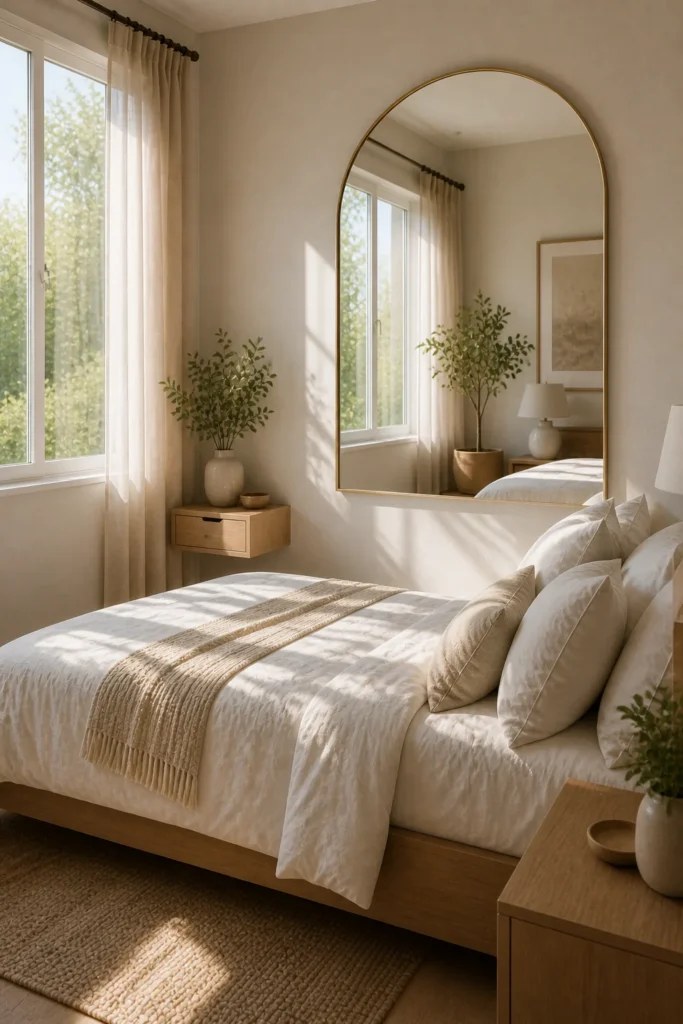
Mirrors are one of the oldest small-space design tricks because they genuinely work. A large mirror positioned across from a window reflects natural light deeper into the room and creates the illusion of additional square footage. Full-length mirrors are especially useful because they combine functionality with visual expansion. This idea works particularly well in darker bedrooms that receive limited sunlight. Stick to one large statement mirror rather than several smaller ones to avoid creating visual clutter.
4) Choose Light Paint Colors
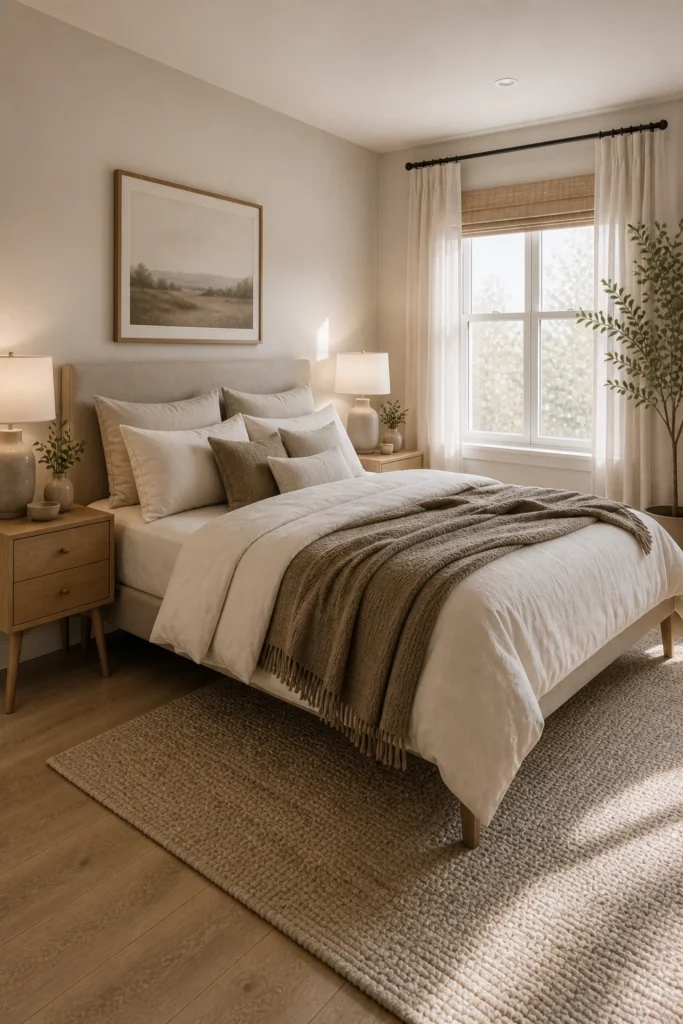
Wall color has a major impact on how spacious a bedroom feels. Light shades such as warm white, soft cream, pale beige, or light greige help walls visually recede and reflect natural light more effectively. Unlike stark white, warmer neutrals create a cozy atmosphere while still making the room feel open. If you enjoy contrast, introduce darker colors through artwork, pillows, or accent decor rather than covering large wall surfaces. This approach keeps the room bright without feeling sterile
5) Add Under-Bed Storage Baskets
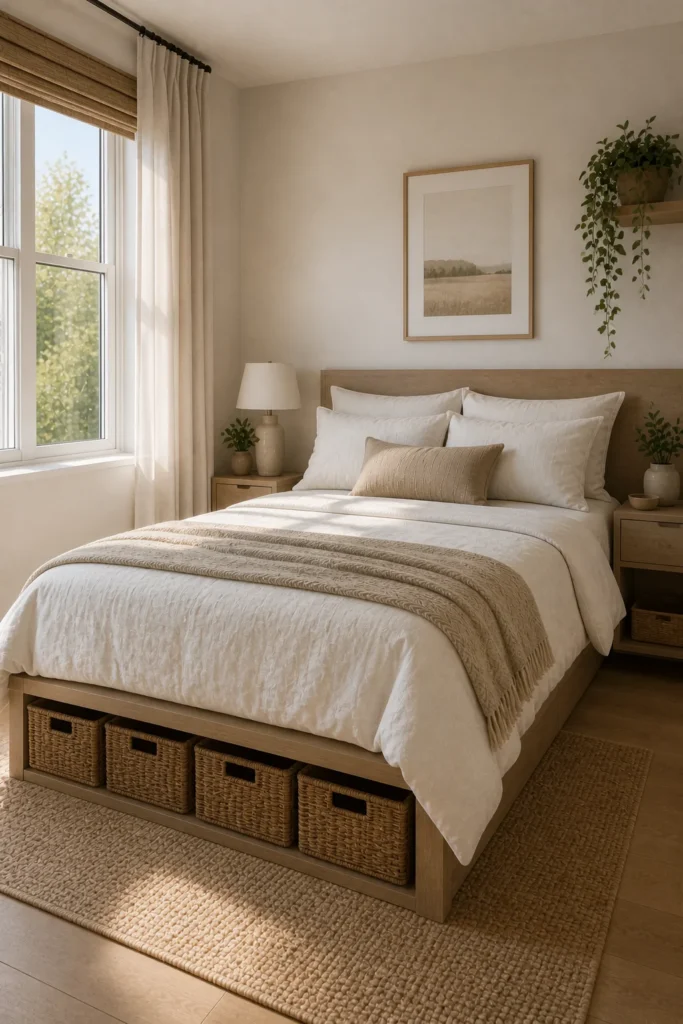
If your bed doesn’t include built-in drawers, attractive under-bed baskets can provide a simple alternative. Woven baskets, canvas containers, or rolling storage bins make it easy to organize shoes, blankets, extra pillows, or seasonal items without sacrificing valuable closet space. Choosing matching storage containers creates a more intentional and polished appearance. This solution is especially useful in older homes and apartments where closet storage may be limited.
6) Try Vertical Shelving
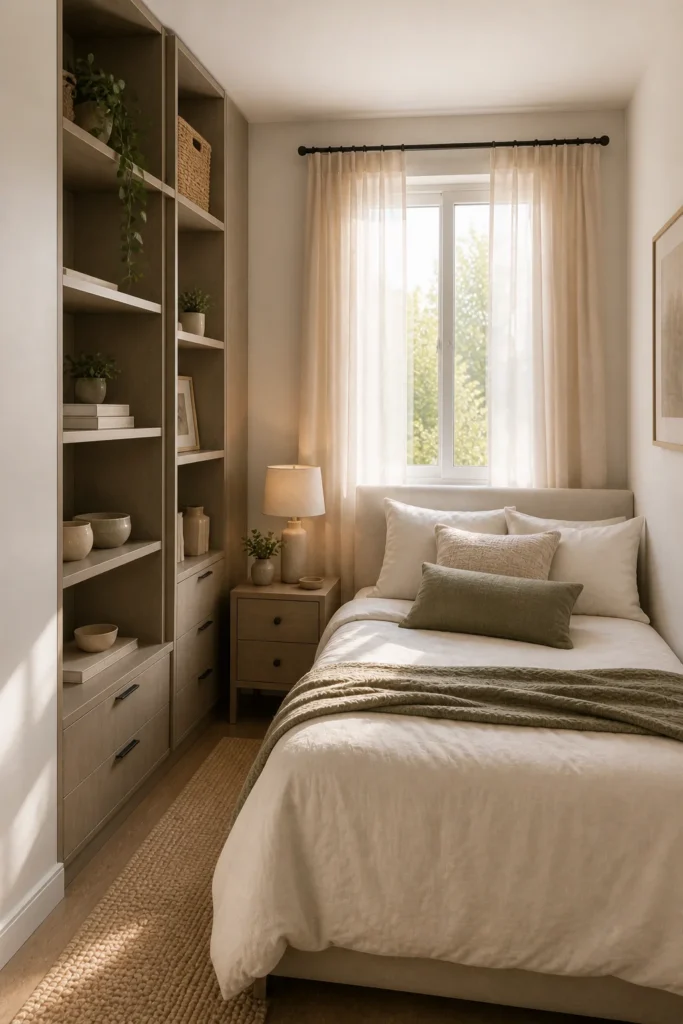
When floor space is limited, the smartest direction to expand is upward. Tall shelving units utilize vertical wall space while maintaining a relatively small footprint. Use lower shelves for frequently accessed items and upper shelves for decorative objects or storage baskets. Vertical shelving works particularly well in narrow bedrooms because it adds storage without consuming walking space. The key is keeping shelves organized and balanced so they enhance the room instead of making it feel visually crowded.
7) Hang Curtains Higher
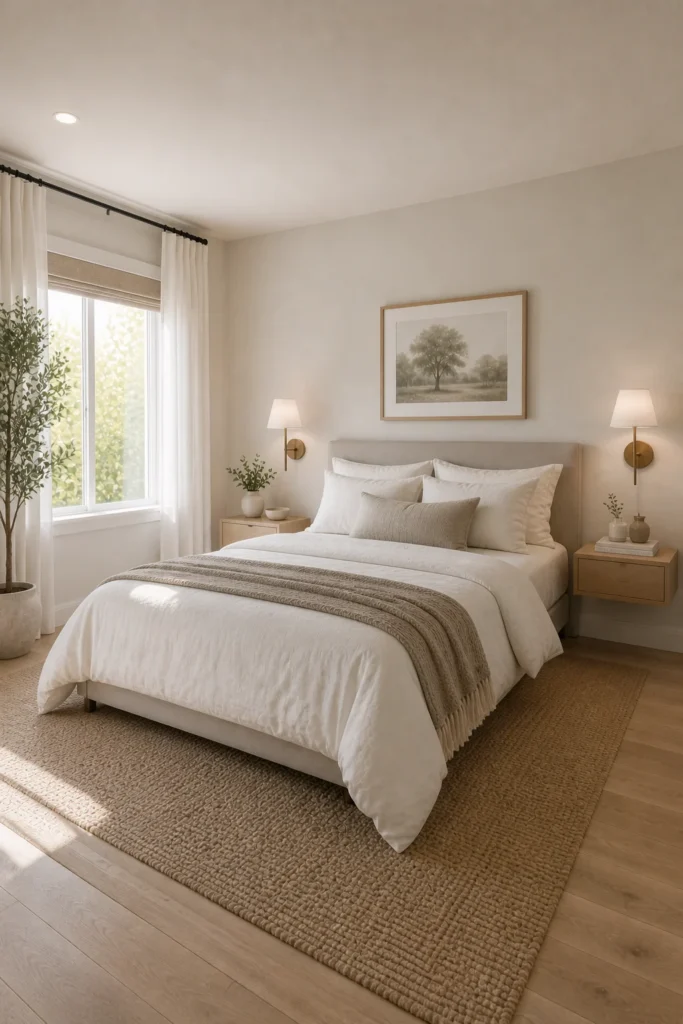
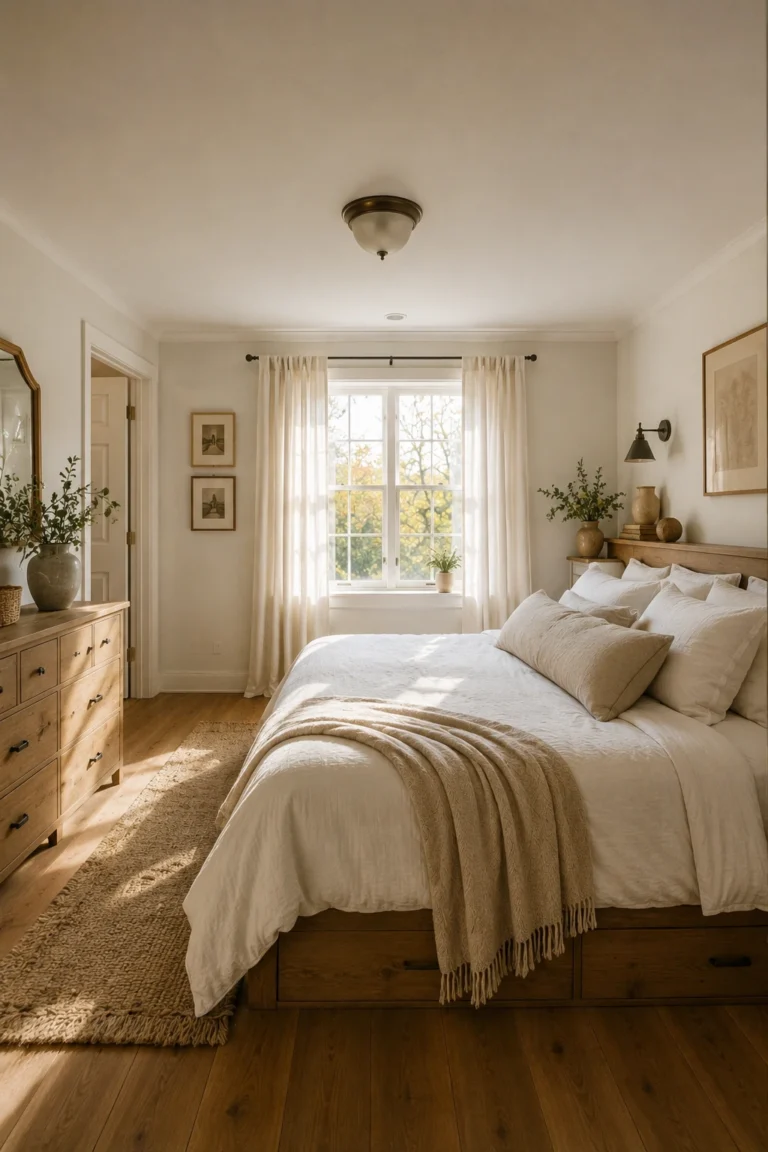
One of the easiest ways to make a small bedroom feel taller is by raising your curtain rods closer to the ceiling. This simple design trick draws the eye upward and creates the illusion of larger windows and higher ceilings. Choose curtains that extend almost to the floor and avoid overly heavy fabrics that can overwhelm the room. Light linen or cotton panels in neutral shades help maximize natural light while maintaining a soft, airy atmosphere.
8) Use Multi-Functional Furniture
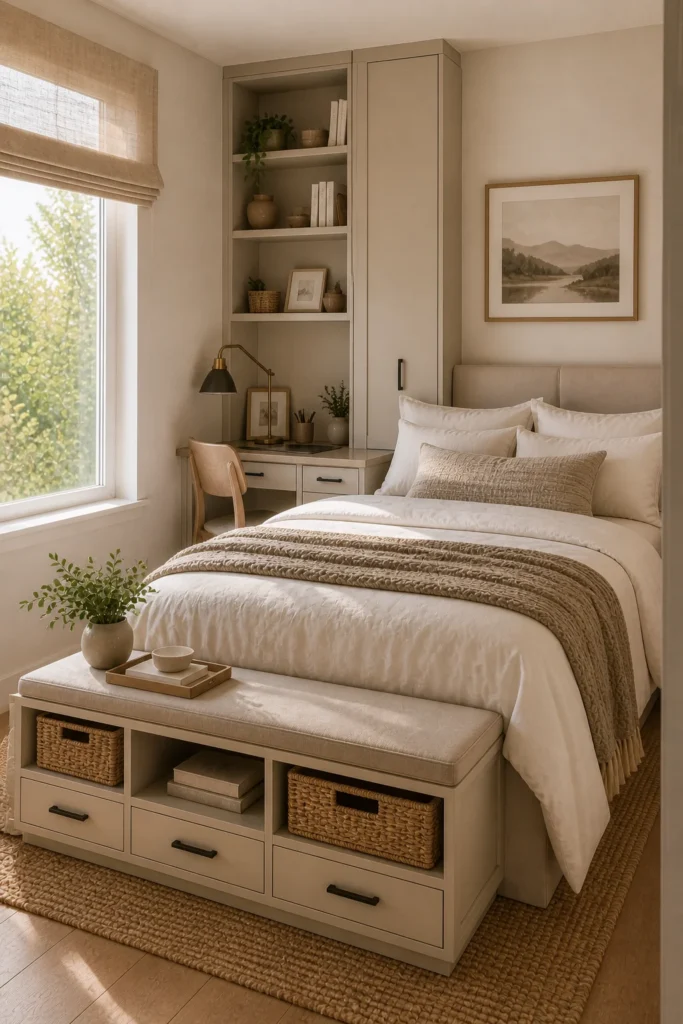
Every furniture piece should earn its place in a small bedroom. Multi-functional furniture helps maximize usability without overcrowding the space. Storage benches can provide seating while hiding extra blankets. Ottomans can function as storage containers and footrests. Fold-down desks create workspaces without permanently occupying floor space. Beds with integrated shelving or charging stations add functionality without increasing clutter. Investing in versatile furniture allows a small room to serve multiple purposes while remaining organized and comfortable.
9) Create a Minimal Color Palette
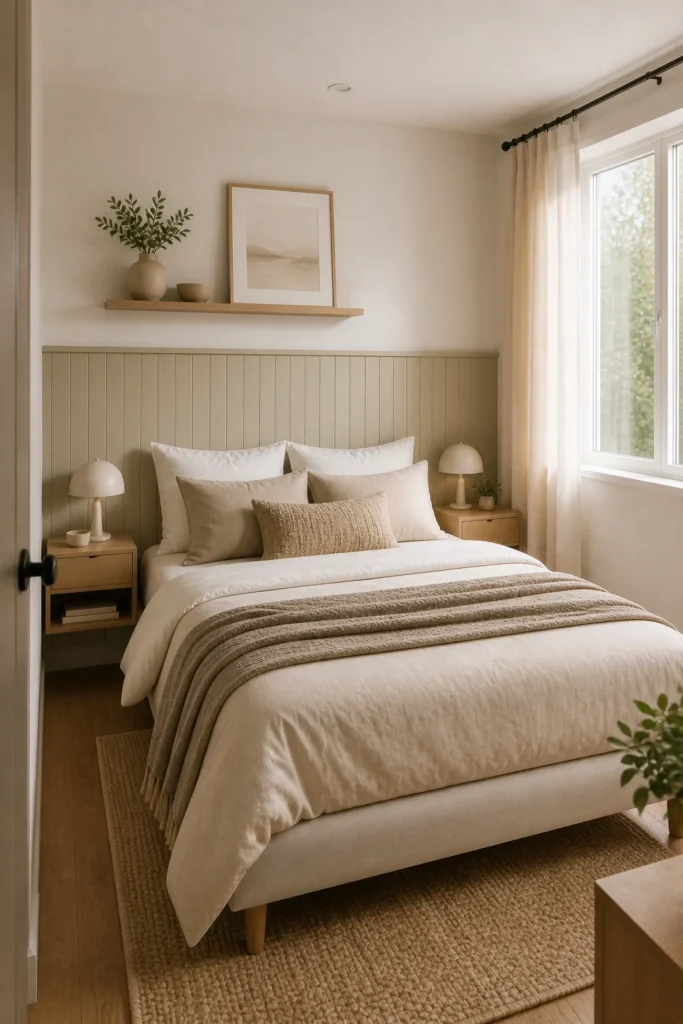
Too many competing colors can make a small bedroom feel busy and fragmented. Limiting the room to two or three primary shades creates visual continuity and helps the space feel more cohesive. Neutral palettes remain popular because they create a calm backdrop that works with many decorating styles. Instead of introducing numerous colors, add interest through texture, layering, and material contrast. Linen bedding, wood furniture, woven baskets, and soft rugs can provide plenty of visual depth without overwhelming the room.
10) Add Floating Shelves
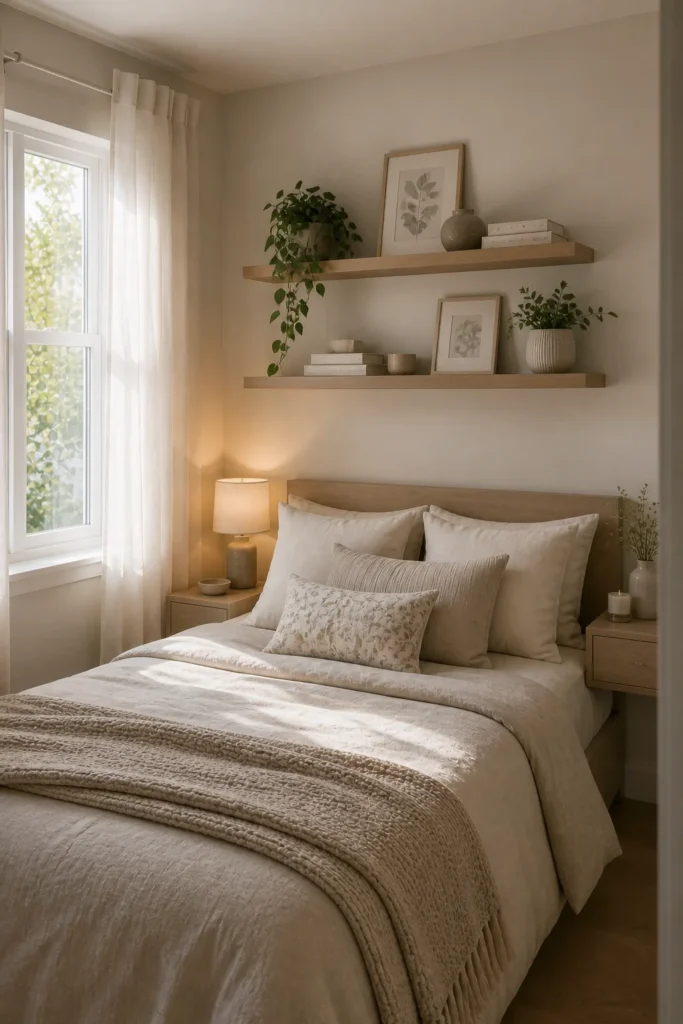
Floating shelves create storage opportunities in areas that would otherwise go unused. Install them above a desk, beside a bed, or even above a headboard to display books, framed photos, plants, or decorative accessories. Unlike traditional bookcases, floating shelves don’t occupy floor space, making them ideal for compact bedrooms. Keep displays relatively simple and curated to avoid creating visual clutter. A few thoughtfully styled shelves can add personality while maintaining a clean and spacious appearance.
11) Use Slim Dressers
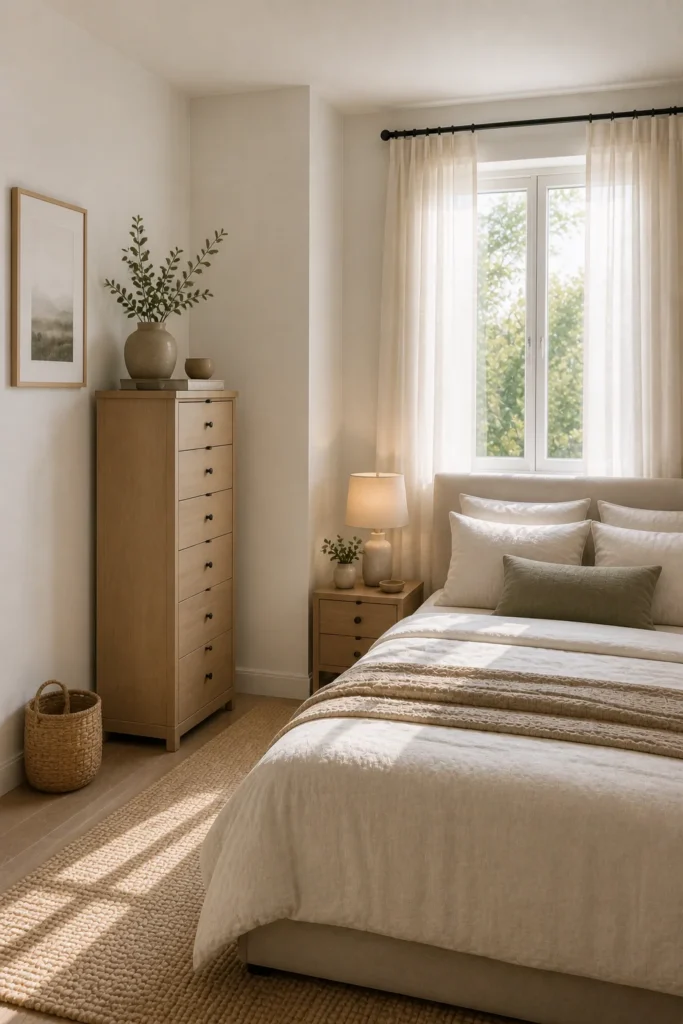
Wide dressers often dominate small bedrooms and restrict movement. A tall, slim dresser provides similar storage capacity while consuming far less floor space. Vertical furniture helps preserve open walkways and makes the room feel less crowded overall. Look for models with deep drawers and simple profiles that blend into the room rather than visually overpowering it. This solution works particularly well in narrow bedrooms where every inch of floor space is important.
12) Use Foldable Desks
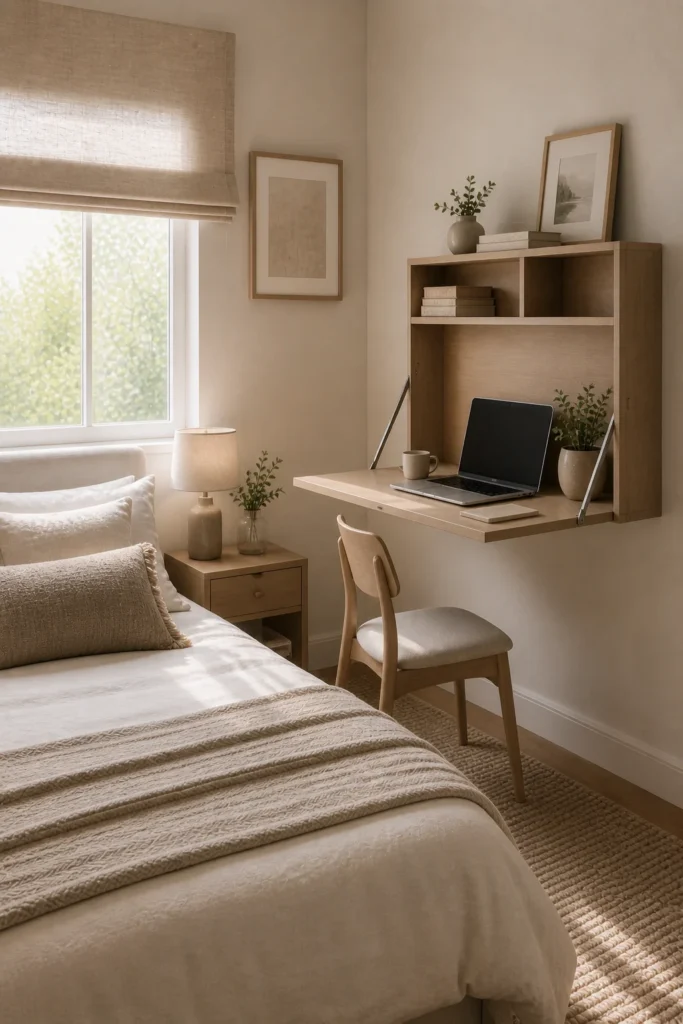
For bedrooms that double as home offices or study spaces, foldable desks offer exceptional flexibility. Wall-mounted versions can fold flat when not in use, instantly reclaiming floor space. This approach is especially useful for students, apartment dwellers, or anyone working in a compact room. Pair the desk with a lightweight chair that can easily be moved or stored. The result is a functional workspace that doesn’t permanently dominate the room.
13) Keep Bedding Simple
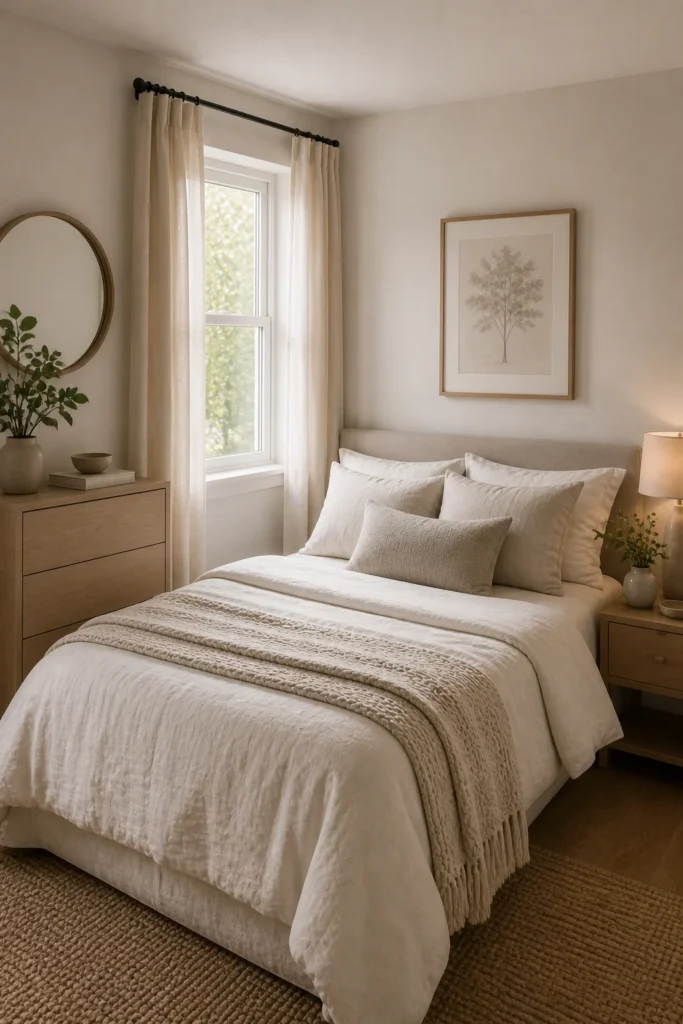
Bedding plays a surprisingly large role in how spacious a bedroom feels. Oversized comforters, excessive throw pillows, and bulky layers can visually overwhelm a small space. Instead, choose streamlined bedding in soft, cohesive colors and focus on texture rather than volume. Linen, cotton, waffle weaves, and lightweight quilts create a layered look without unnecessary bulk. This approach helps the bed feel inviting and comfortable while maintaining a cleaner, more open appearance.
14) Add Wall Sconces
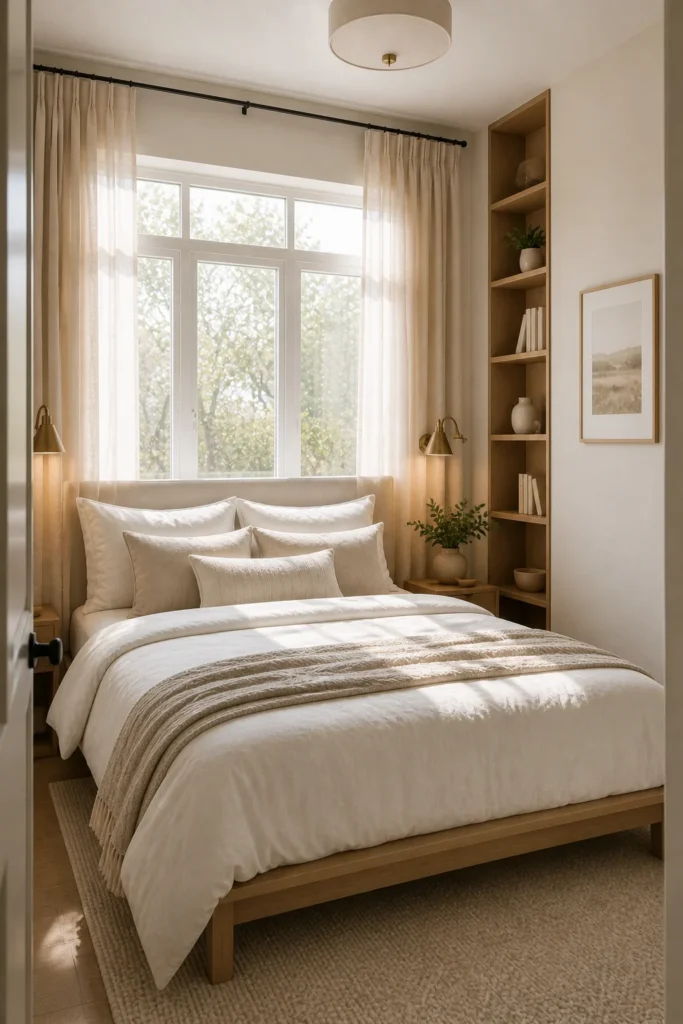
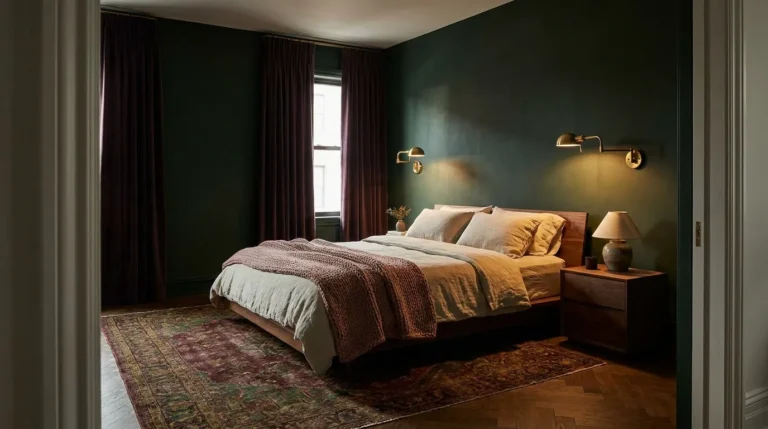
Wall sconces free up valuable bedside surface area by moving lighting off your nightstands entirely. This simple change creates more room for practical essentials while adding a sophisticated designer touch. Adjustable sconces are particularly useful for reading because they direct light exactly where it’s needed. They also help create a layered lighting scheme that feels more intentional than relying solely on overhead fixtures.
15) Use Sliding Closet Doors
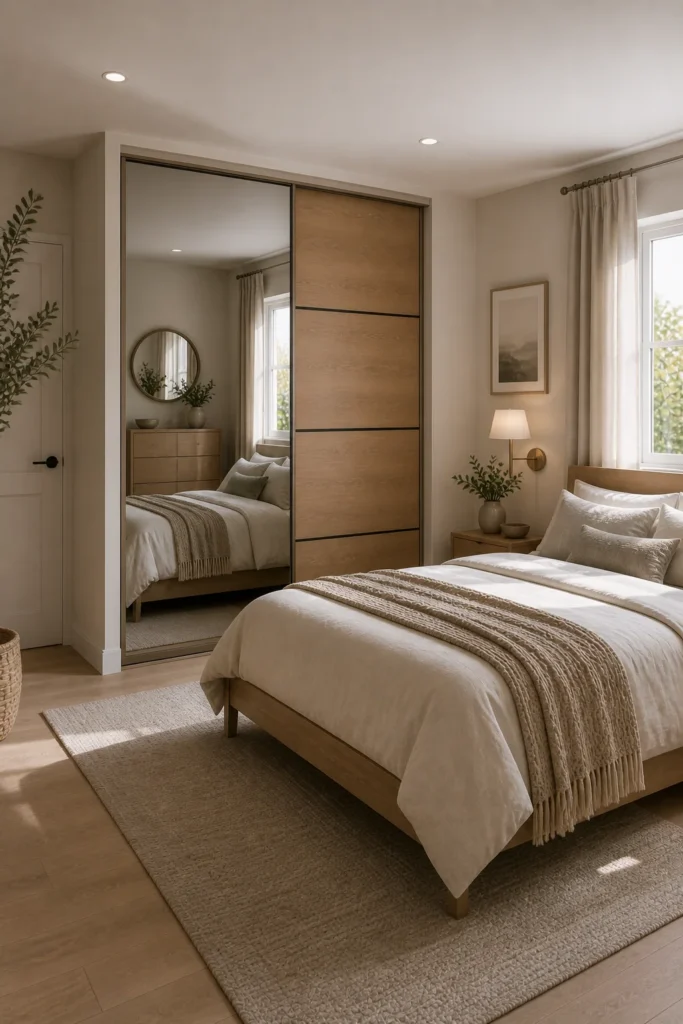
Traditional closet doors require clearance space every time they open, which can be frustrating in a compact bedroom. Sliding doors eliminate that problem by operating within the closet footprint itself. Mirrored sliding doors provide an additional benefit by reflecting light and visually expanding the room. Modern sliding systems are available in styles ranging from minimalist contemporary designs to rustic wood finishes, making them easy to integrate into virtually any bedroom aesthetic.
16) Create a Corner Reading Nook
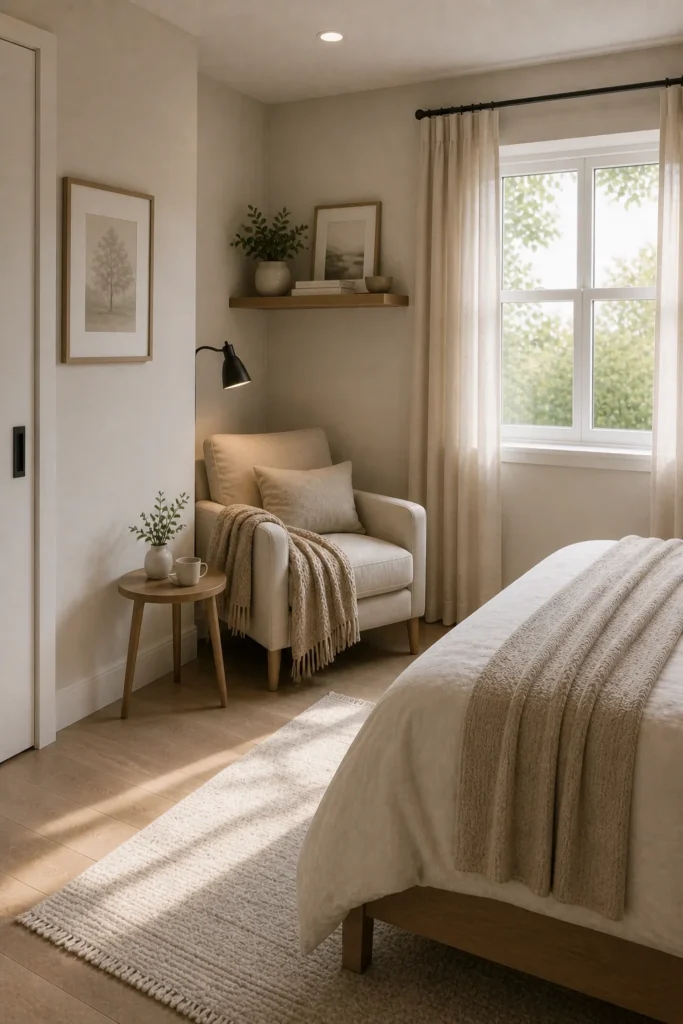
Small bedrooms often contain underutilized corners that become catch-all spaces for clutter. Transforming one of these areas into a reading nook adds function without requiring a major redesign. A compact accent chair, small side table, and layered lighting can create a cozy retreat for reading, journaling, or relaxing. If floor space is extremely limited, consider a storage bench, floor cushion, or small upholstered stool instead of a traditional chair. Position the nook near a window whenever possible to take advantage of natural light during the day.
17) Choose Furniture With Legs
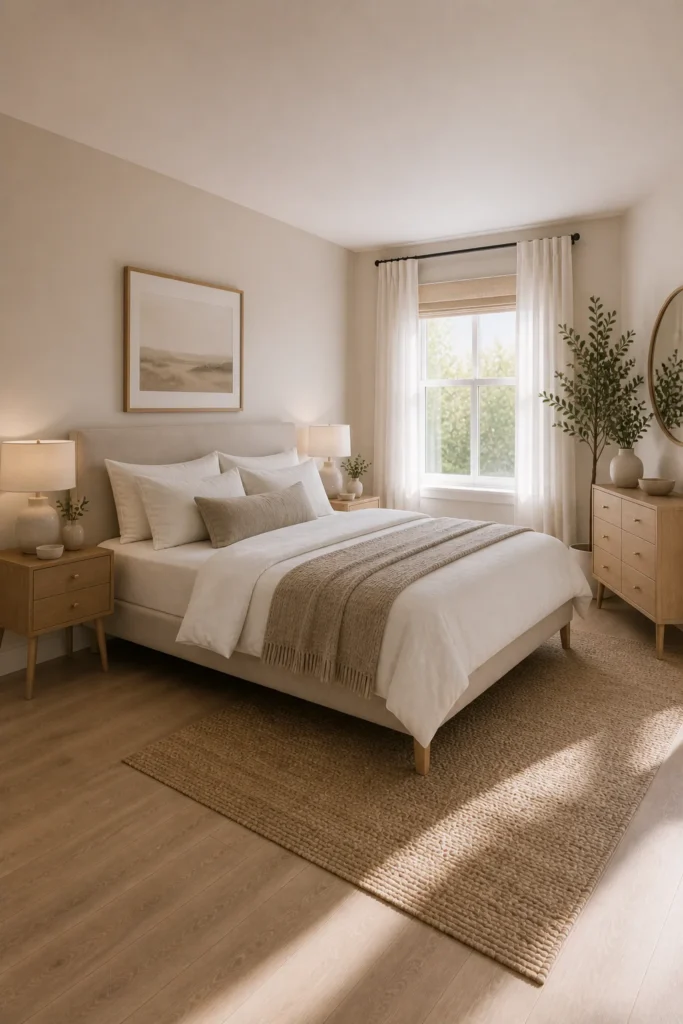
Furniture that sits directly on the floor can make a small bedroom feel visually heavy. Pieces with exposed legs allow more flooring to remain visible, creating a lighter and more open appearance. Beds, nightstands, dressers, and chairs with slim legs help maintain visual flow throughout the room. This design principle works particularly well in contemporary, Scandinavian, and transitional interiors. While the actual room size doesn’t change, the uninterrupted sightlines create the perception of additional space.
18) Add Statement Lighting
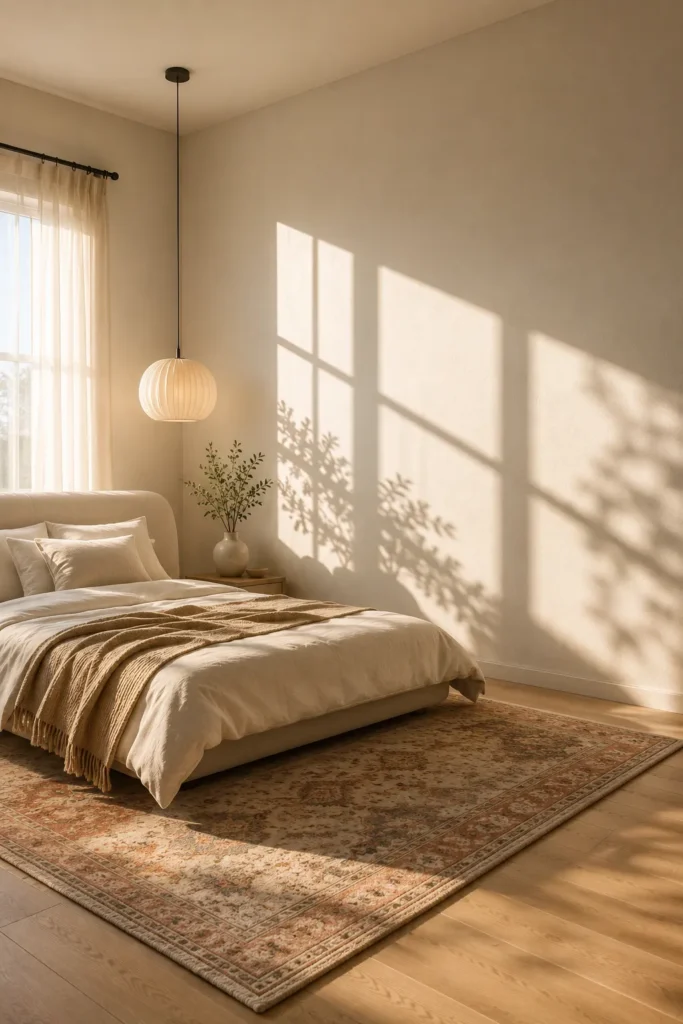
A well-chosen light fixture can completely change how a small bedroom feels. Instead of treating lighting as purely functional, use it as a focal point that adds character and draws the eye upward. Pendant lights, sculptural flush mounts, woven fixtures, or small chandeliers can introduce personality without consuming floor space. Statement lighting works best when the rest of the room remains relatively simple. By creating a visual anchor near the ceiling, you naturally emphasize height and make the room feel larger and more thoughtfully designed.
19) Use Rugs Strategically
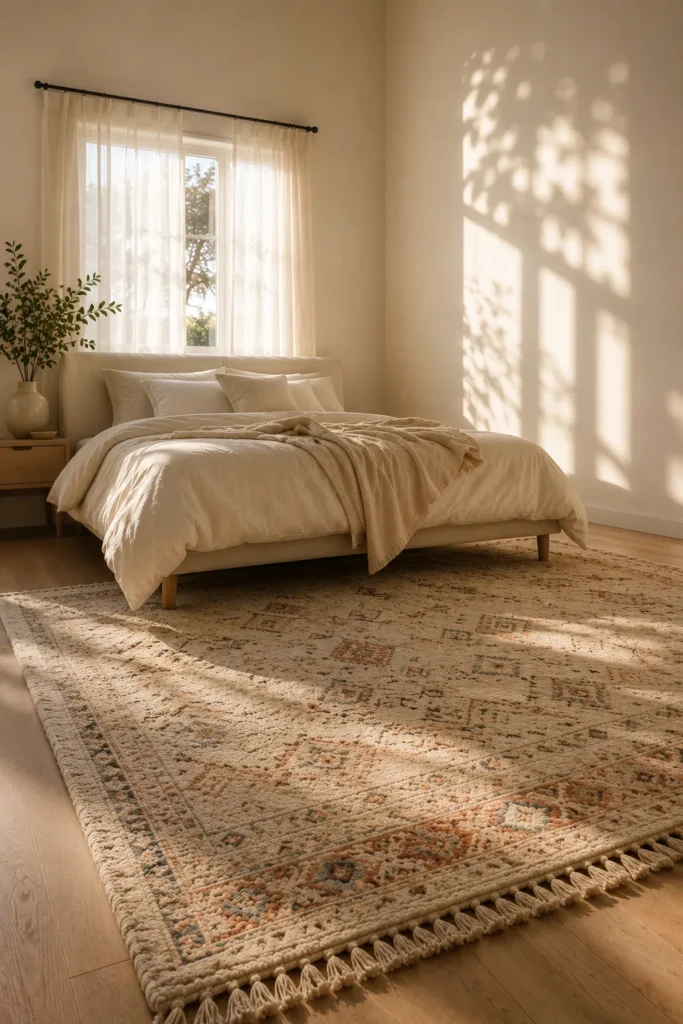
The right rug helps define the room layout and creates a stronger sense of proportion. One of the most common mistakes in small bedrooms is choosing a rug that’s too small, which can make the space feel disconnected and awkward. Ideally, the rug should extend beyond the sides of the bed so the room feels visually grounded. Light patterns, subtle textures, and larger rug sizes often work best in compact spaces. A properly sized rug helps unify furniture pieces and gives the room a more finished, intentional appearance.
20) Declutter Your Surfaces
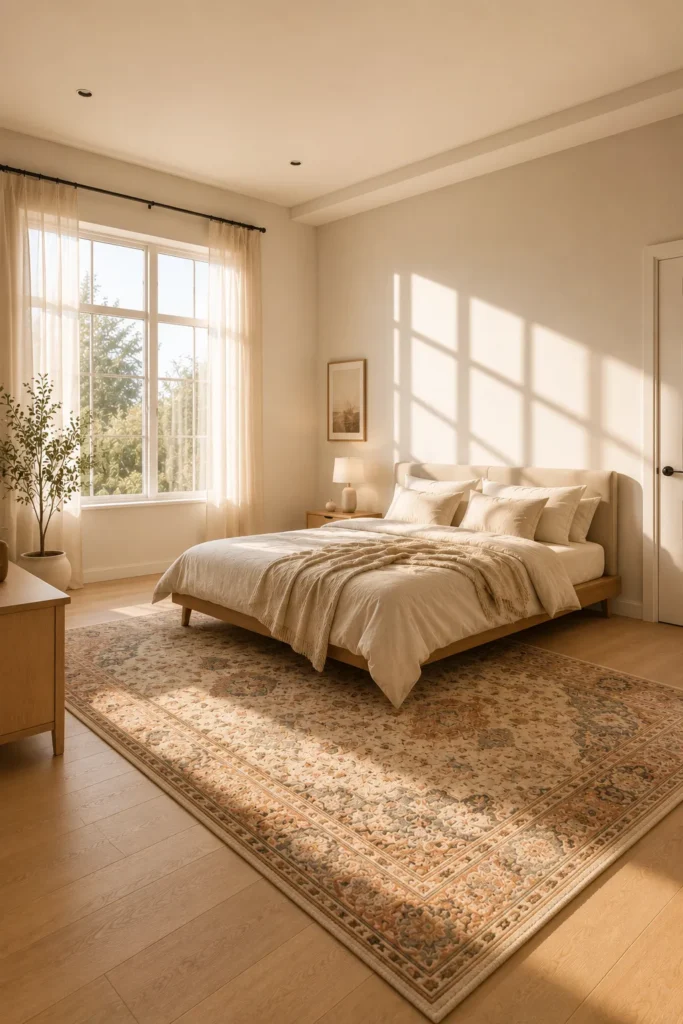
Visual clutter can make even a reasonably sized bedroom feel cramped. Nightstands overflowing with chargers, dressers covered in miscellaneous items, and crowded shelves all compete for attention and create a sense of chaos. Aim to keep visible surfaces limited to a few purposeful items such as a lamp, plant, framed photo, or decorative tray. Everything else should have a designated storage location. This habit costs nothing to implement yet often delivers one of the most dramatic improvements in how spacious a bedroom feels.
21) Add Built-In Storage
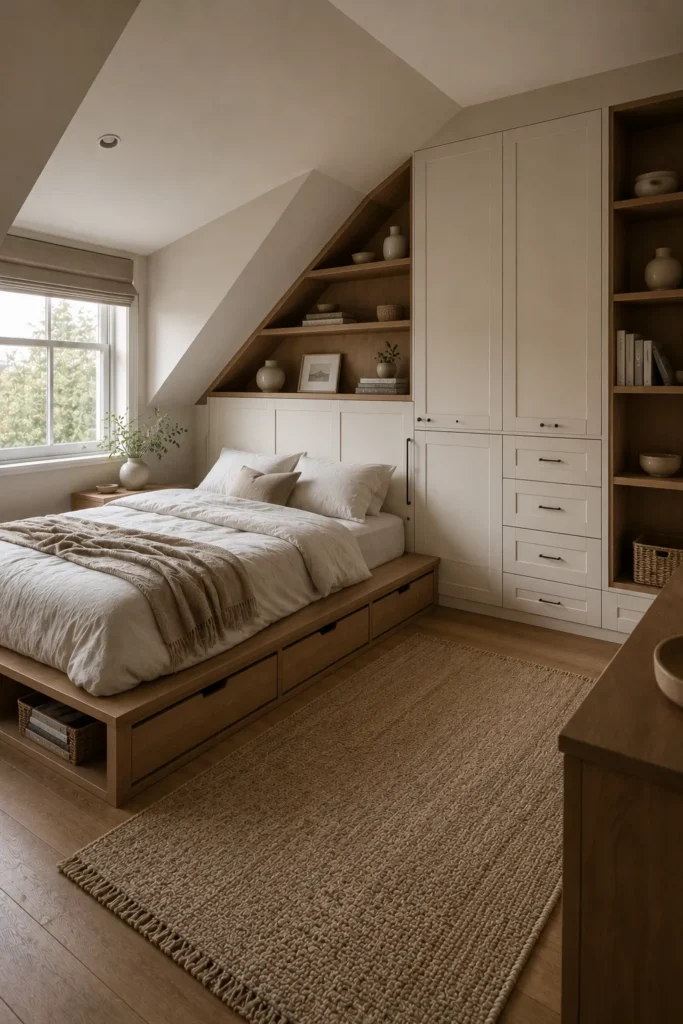
Built-in storage is one of the most effective ways to maximize every inch of a small bedroom. Unlike freestanding furniture, built-ins can be customized to fit awkward corners, alcoves, sloped ceilings, or narrow wall sections. Floor-to-ceiling wardrobes, integrated shelving, and storage surrounding the bed help utilize areas that might otherwise go unused. Because built-ins are designed specifically for the space, they often appear cleaner and less bulky than multiple standalone pieces. The result is increased storage capacity without sacrificing valuable floor space.
22) Use Vertical Wall Art
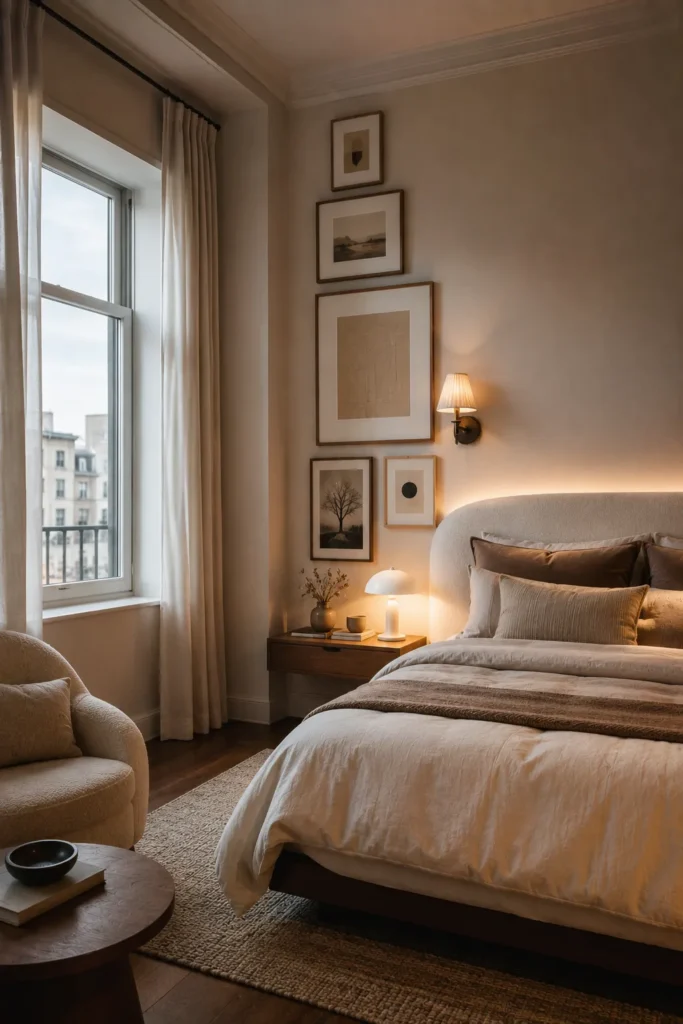
Wall art can influence how spacious a room feels when used strategically. Vertical artwork naturally draws attention upward, encouraging the eye to focus on ceiling height rather than limited floor dimensions. Oversized vertical prints, stacked artwork arrangements, or narrow gallery walls can all create this effect. Keep frames relatively simple and avoid overcrowding walls with too many competing pieces. A carefully chosen art arrangement adds personality while helping the room feel taller and more balanced.
23) Always Prioritize Open Walkways
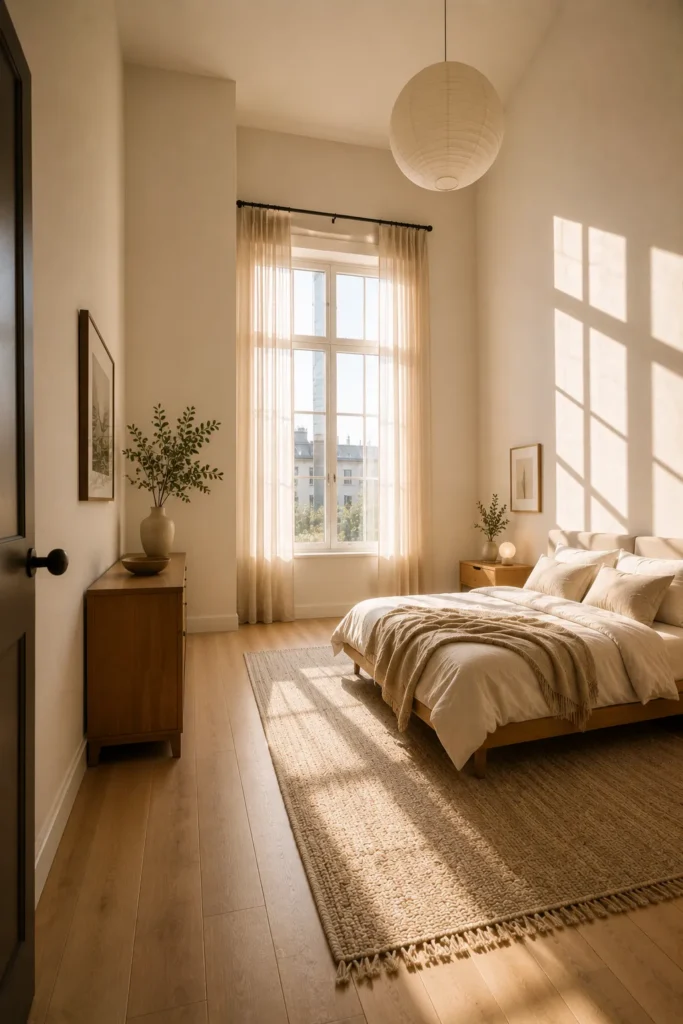
One of the biggest mistakes in small bedrooms is trying to fit too much furniture into the space. Every additional piece reduces circulation, blocks sightlines, and makes the room feel more crowded. Start by identifying the essentials—typically the bed, storage, and bedside surface—then build around those priorities. Maintain clear walking paths and avoid placing furniture where it interrupts movement. Before purchasing new pieces, measure carefully to ensure they truly fit the room. A thoughtful, simplified layout often has a greater impact than any individual decorating upgrade because it improves both function and visual spaciousness.
Final Thoughts
A small bedroom doesn’t need more square footage to feel comfortable and stylish—it needs smarter design decisions. By focusing on efficient storage, thoughtful furniture choices, visual simplicity, and intentional layouts, you can make even the most compact room feel significantly larger and more functional. Start with one or two ideas that address your biggest challenges, then gradually build from there. Small improvements often create the biggest transformations when every inch of space is working harder for you.