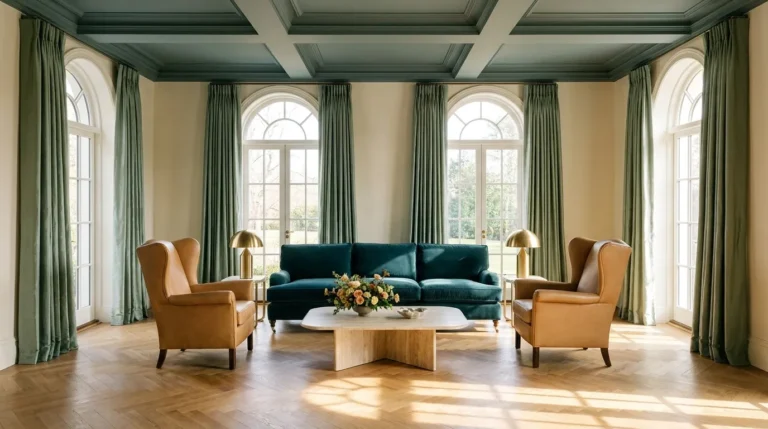
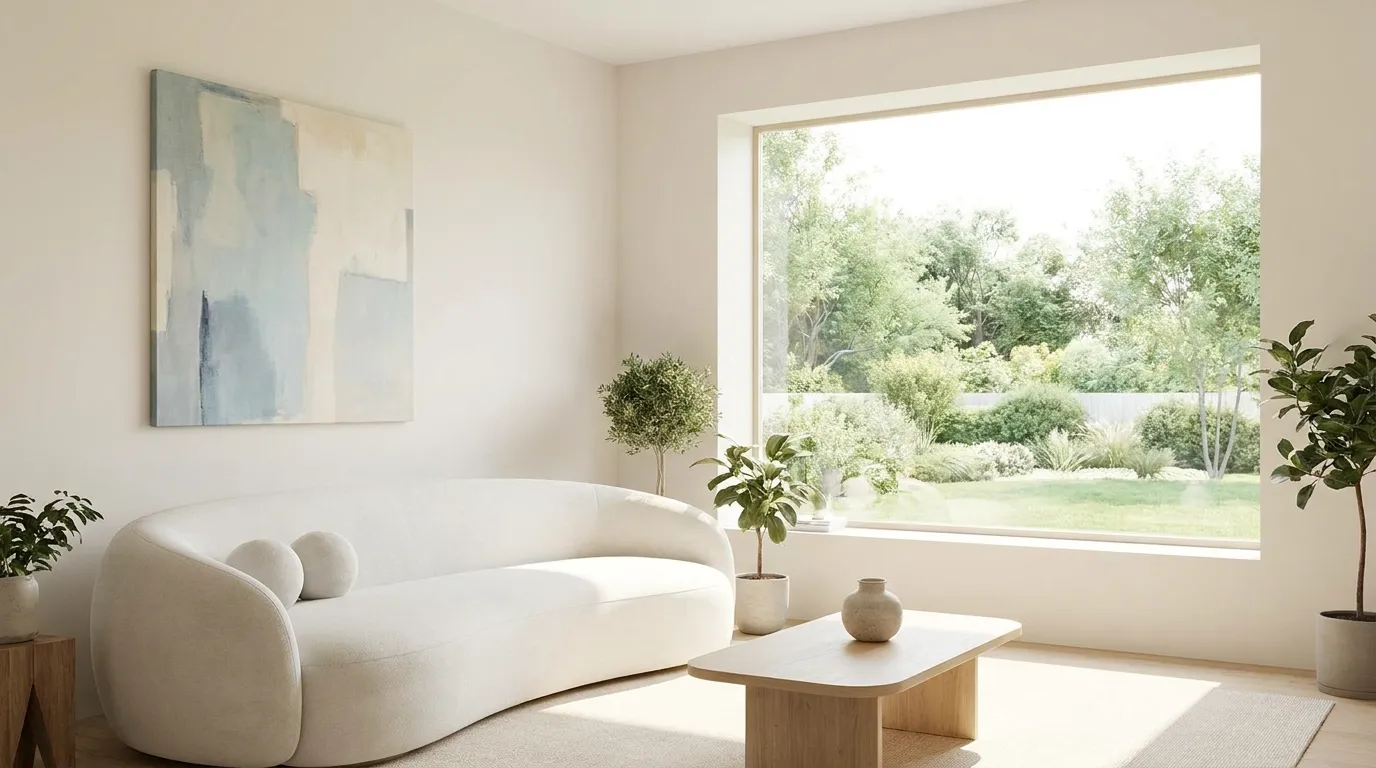
16 Minimal Living Room Ideas That Feel Clean and Relaxing
Minimalism gets blamed for making rooms feel cold, and most of the time the room is the problem, not the philosophy. A living room with nothing in it isn’t minimal, it’s just unfinished, and the difference between the two comes down to a handful of decisions most generic lists never get into. The minimal living room ideas in this article are about what to keep and how to place it, not about how much you can remove before the room stops functioning. Done properly, a clean, pared-back living room should feel like the most relaxing room in the house, not the least lived-in one.
1. Choose One Material to Repeat at Least Three Times
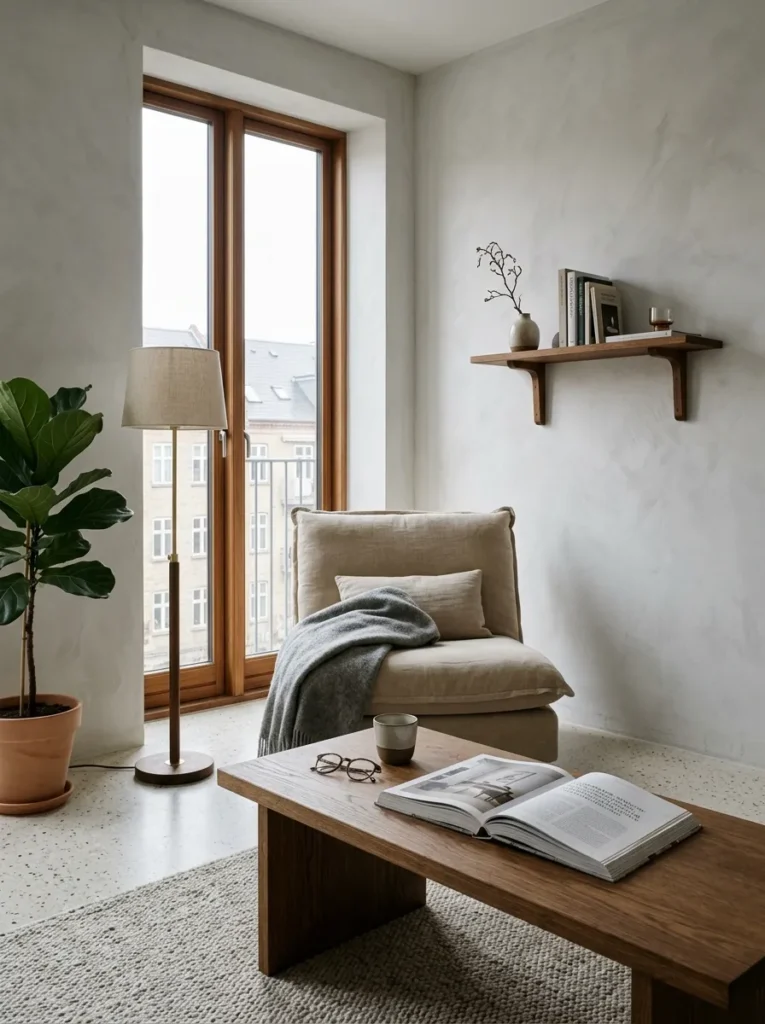
A minimal room with five different materials competing for attention — a glass coffee table, a metal lamp, a leather sofa, a marble side table, a wood shelf — reads as busy no matter how few objects are actually in it. Repetition is what reads as intentional. Pick one material, smoked oak or honed travertine or unlacquered brass, and use it at least three times across the room: the coffee table, a shelf bracket, a lamp base. This is the decision that changes everything about how disciplined the room feels, because the eye recognises pattern before it registers individual objects, and repeated material is the fastest pattern there is.
2. Use a Single Large Rug Instead of a Patterned Statement Piece
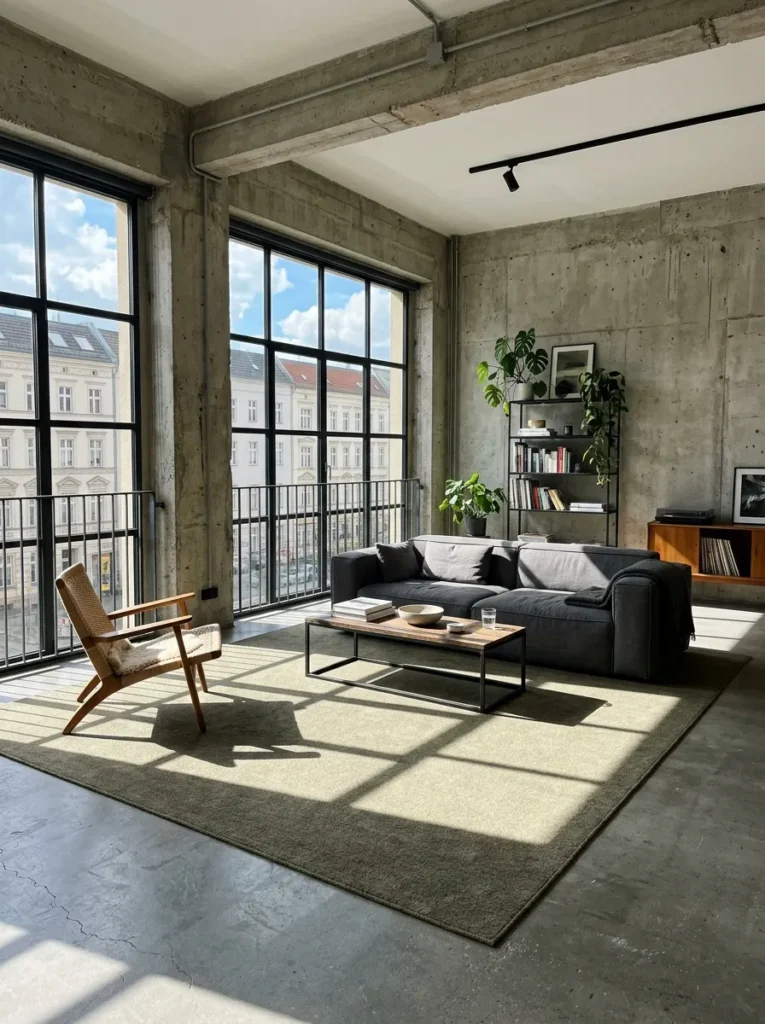
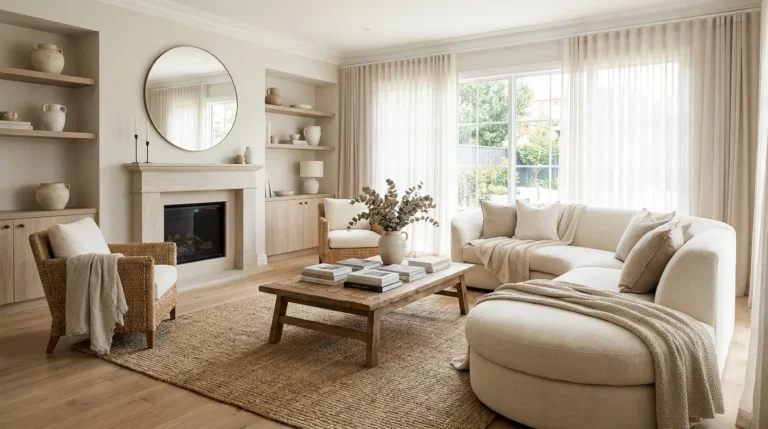
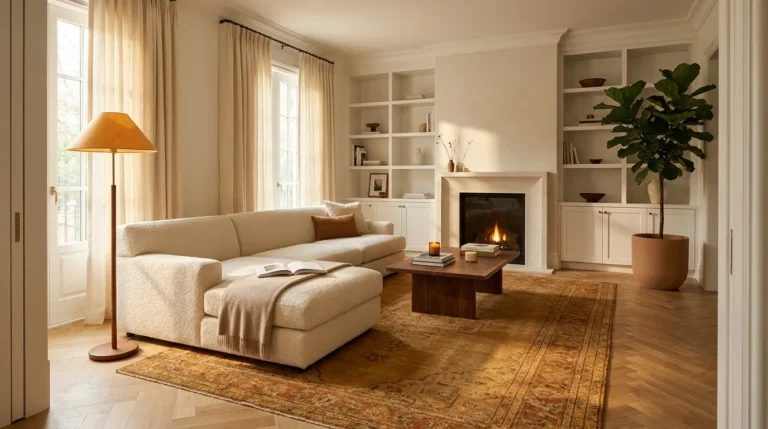
A bold patterned rug is the easiest way to undercut a minimal room before anything else in it has a chance to register. A large, solid-toned rug in a natural fibre — wool, jute, a flat-weave cotton — extending well beyond the furniture’s footprint gives the room a single unbroken plane of texture instead of competing visual noise at floor level. Size matters more than colour here. A rug too small makes the furniture look like it’s floating on an island; one sized properly, extending at least 20 centimetres beyond the sofa’s front legs, anchors the whole layout in a way pattern never could.
3. Choose a Sofa With Exposed Wooden Legs Rather Than a Skirted Base
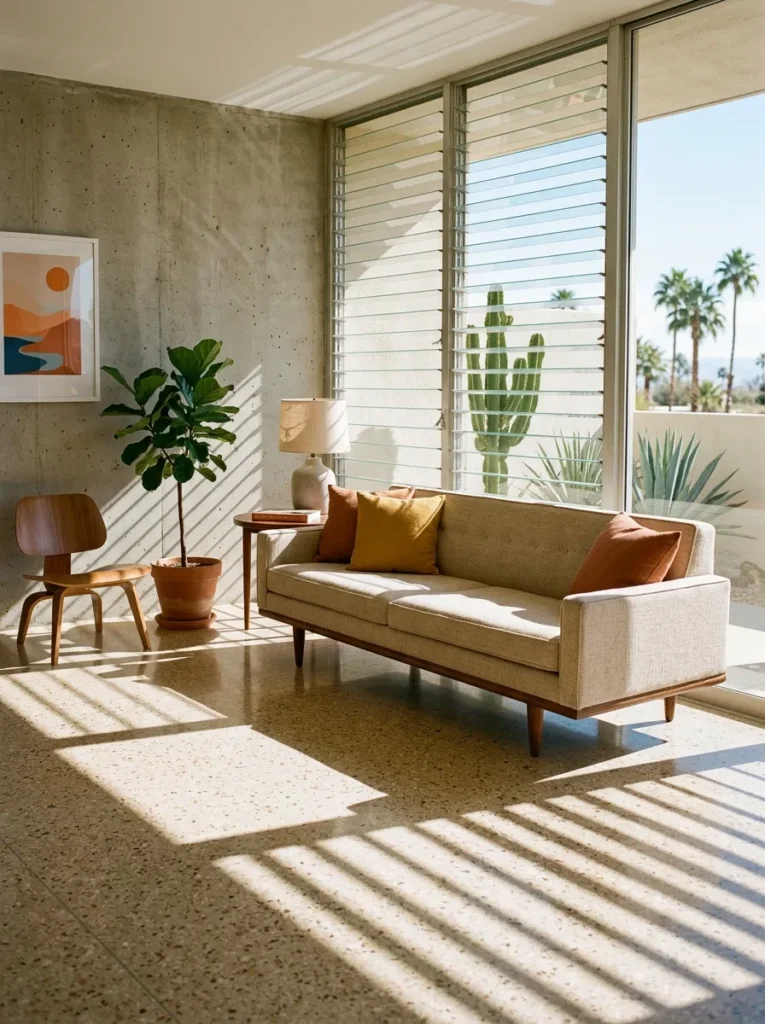
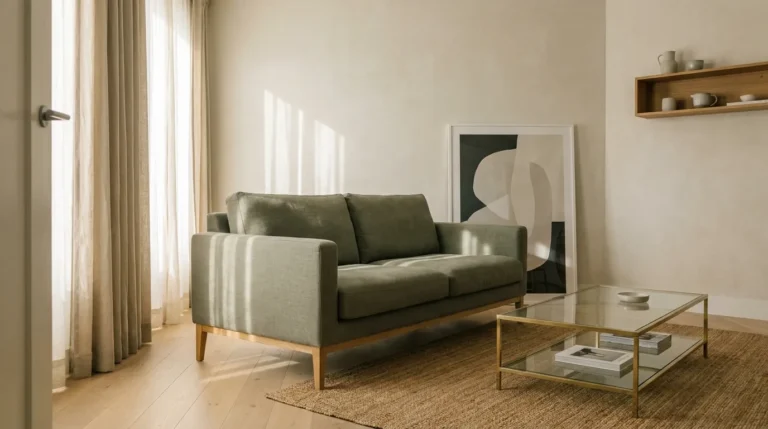
A skirted sofa base, where upholstery runs all the way to the floor, visually adds weight and mass to the largest piece of furniture in the room. Exposed tapered or turned wooden legs in a warm tone — walnut, oak, ash — let light pass beneath the sofa, which makes the entire piece read as lighter and the floor read as more continuous. This is a small structural detail that most people overlook entirely when shopping for a sofa, focused instead on cushion depth and fabric. In a minimal living room specifically, it’s one of the highest-impact decisions on the entire list.
4. Add One Curved Object to Break a Room Full of Straight Lines
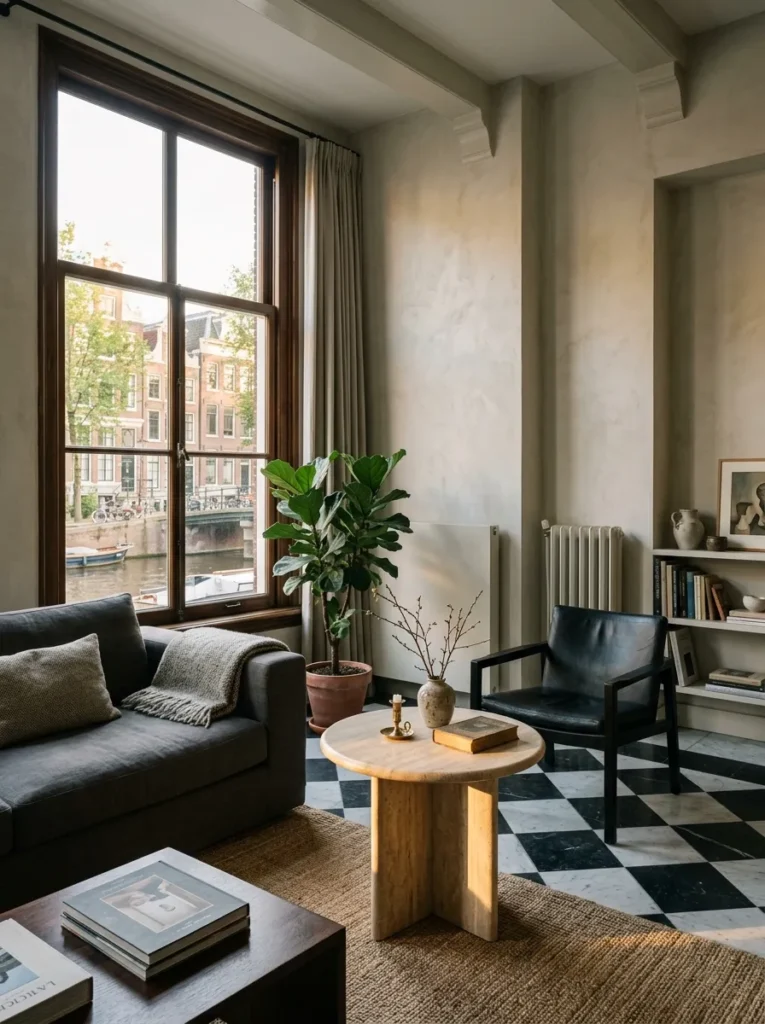
Minimal rooms lean heavily on straight lines and right angles, which is efficient and also, eventually, monotonous. A single curved object — a round travertine side table, an arched mirror, a curved-back accent chair — interrupts that rigidity without introducing clutter or colour. The curve should be substantial enough to actually register from across the room, not a small decorative detail easily missed. Most people get this wrong by adding too many curved pieces at once, which just trades one kind of visual sameness for another. One is the right number. Maybe two, if the room is genuinely large.
5. Choose a Clean Living Room Layout That Floats the Sofa Away From the Wall
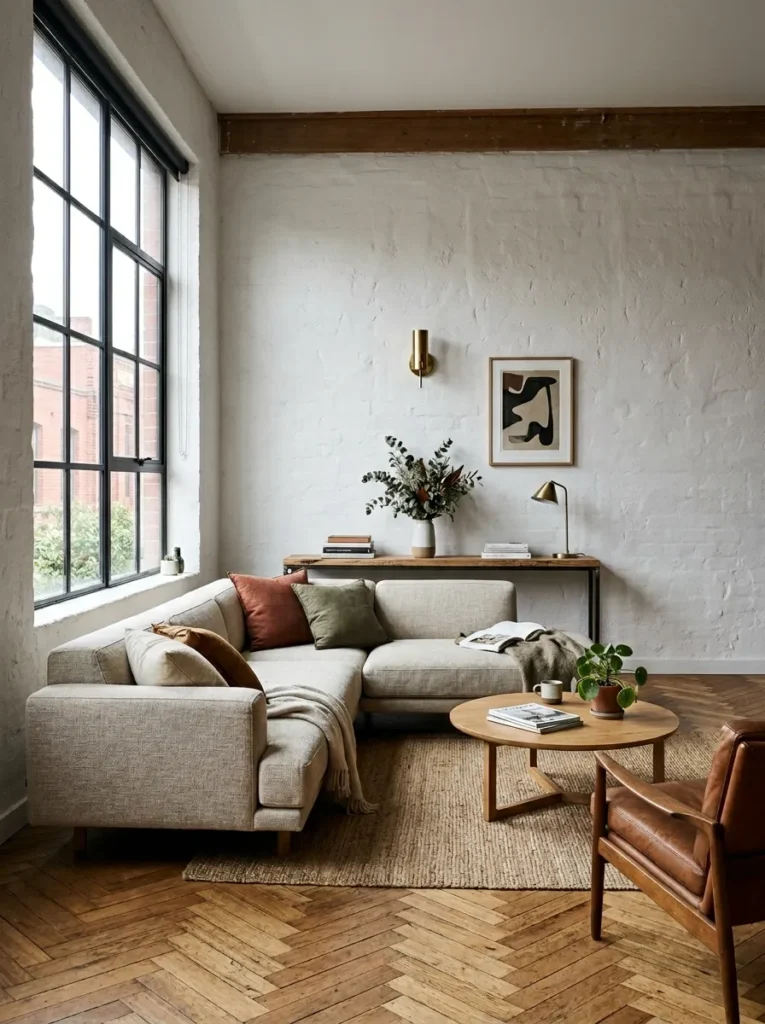
Pushing every piece of furniture against the wall is the instinct in a small or minimal room, on the theory that it opens up more floor space. In practice it usually does the opposite, making the room feel like a waiting area rather than a place to actually sit and talk. Floating the sofa even 40 to 50 centimetres from the wall, with a console table or slim shelf behind it, creates a defined seating zone within the larger room and makes the space feel considered rather than merely tidy. This works particularly well in open-plan living rooms, where a floated sofa also helps separate the seating area from whatever else the room is doing.
6. Use One Oversized Piece Instead of Several Small Ones
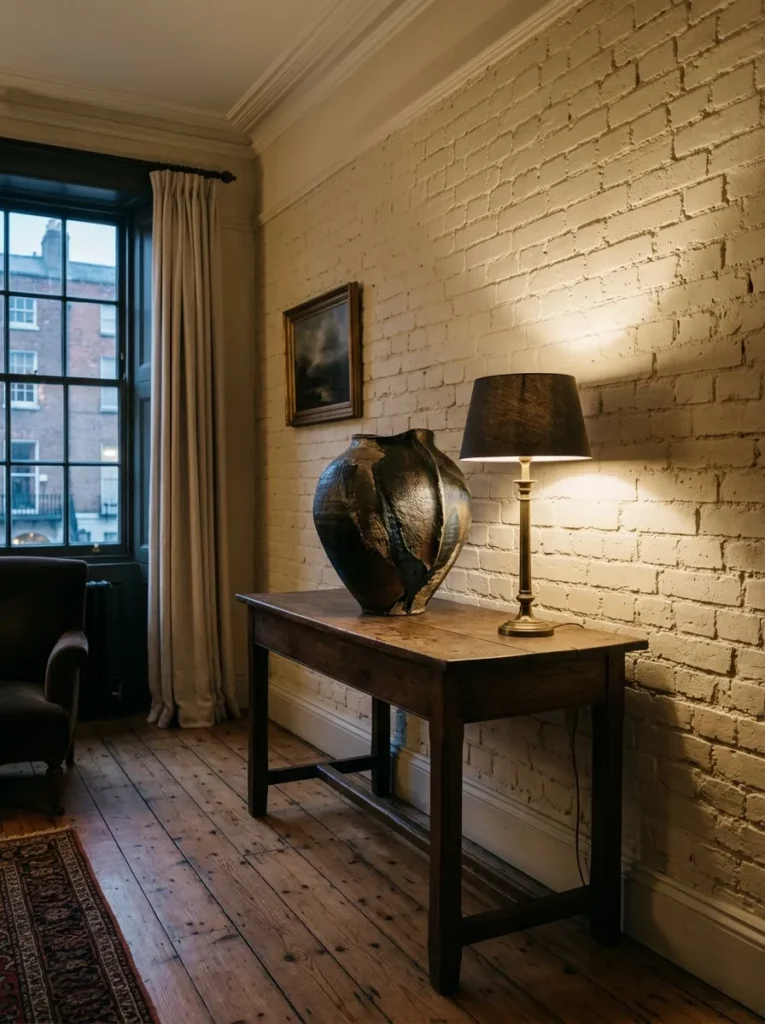
A minimal room filled with several small decorative objects — a tray here, a candle there, a stack of books, a small vase — ends up looking cluttered even when the total volume of stuff is genuinely modest, because the eye has to process each small object individually. A single oversized piece, a large abstract ceramic vessel or an oversized framed print, gives the eye one clear thing to focus on instead of six small things competing for the same attention. The matching set is always the safer choice and almost never the more interesting one, and the same logic applies here: one confident, larger gesture beats five cautious smaller ones.
7. Choose Window Treatments That Disappear Into the Ceiling Line
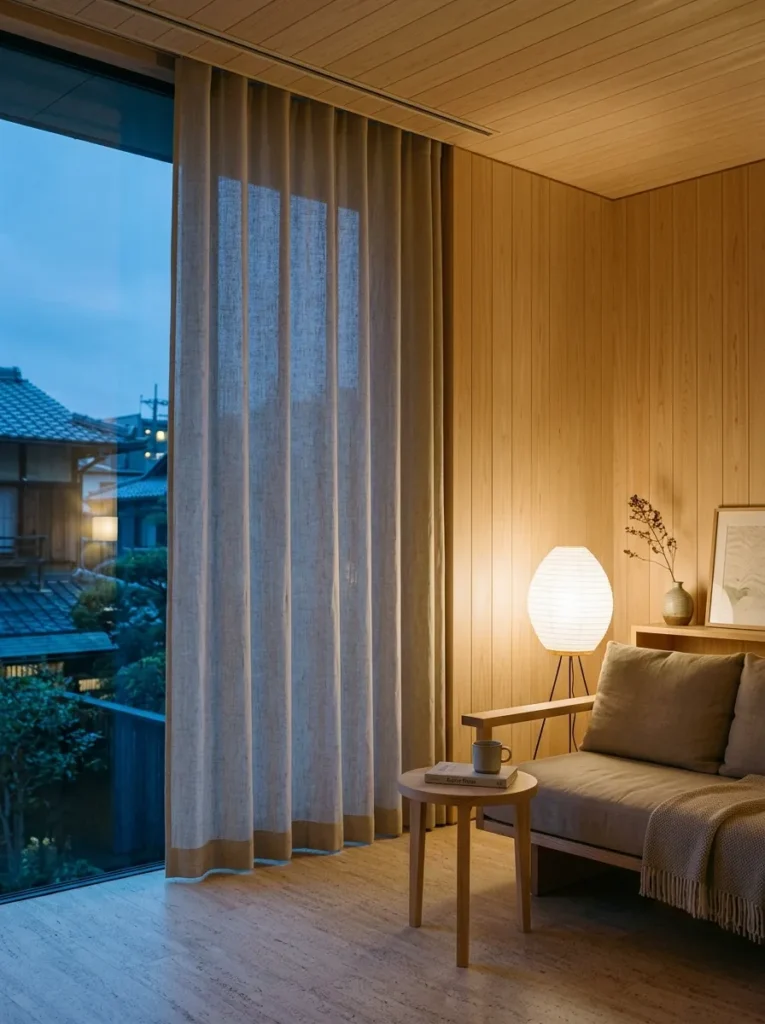
Visible curtain rods and bulky valances add a horizontal line across the top of a window that breaks up the clean vertical lines a minimal room depends on. A recessed curtain track, mounted flush into the ceiling or hidden within a small ceiling pocket, lets the fabric appear to fall directly from the ceiling itself, with no visible hardware interrupting the sightline. It’s a more involved installation than a standard rod, typically requiring it to be planned before the ceiling is finished rather than added afterward. In a genuinely minimal living room, though, it’s one of the few details that makes the difference between a room that looks designed and one that looks merely decluttered.
8. Add a Single Sculptural Floor Lamp Instead of Multiple Table Lamps
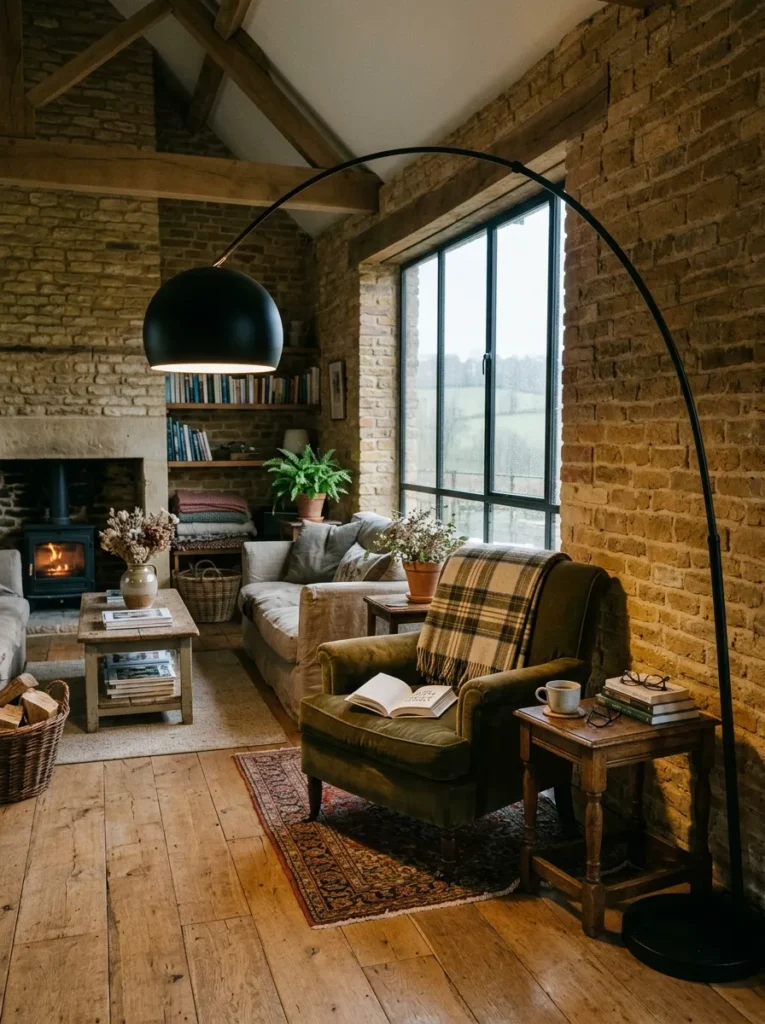
Several small table lamps scattered across side tables add visual clutter at exactly the height most people are looking when they scan a room. A single sculptural floor lamp — an arc lamp in matte black steel, or a tripod lamp in pale ash — provides the same functional light from one confident object rather than three competing ones. Position it to actually do work, casting light over a reading chair or a console, rather than placing it purely for decoration in an empty corner. This swap alone often does more to calm a room visually than removing several smaller objects would.
9. Choose a Coffee Table With a Visible Negative Space Underneath
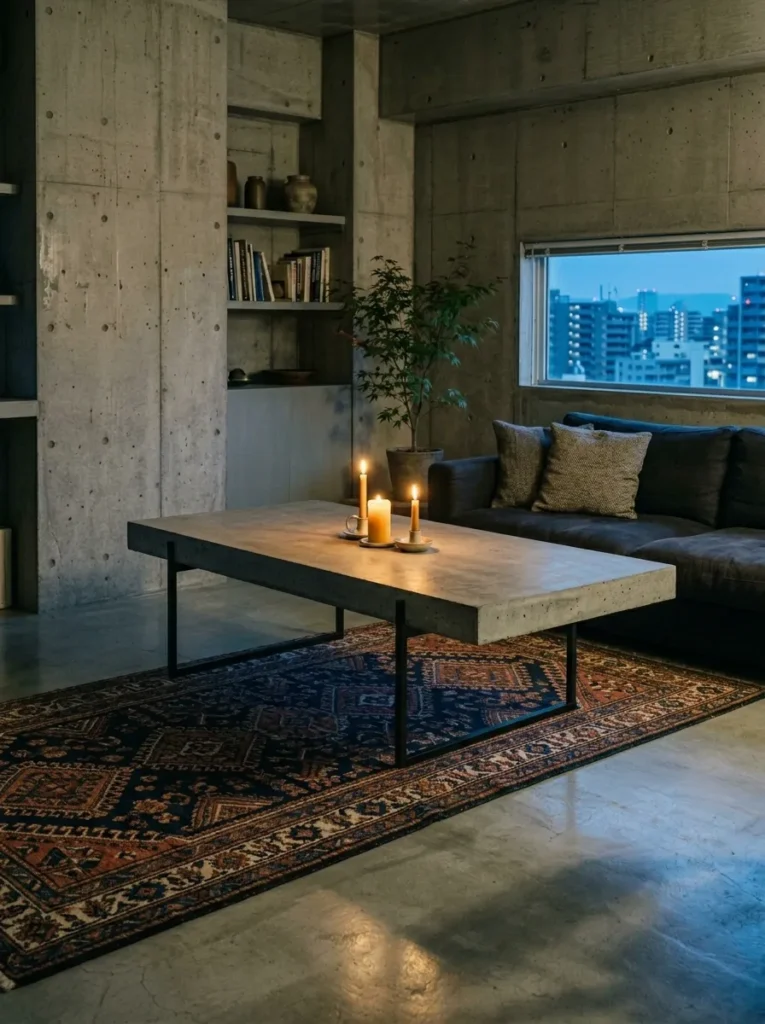
A solid-based coffee table, especially in a darker material, creates a visual block at the centre of the room precisely where the eye needs the most breathing room. A coffee table with an open base — thin metal legs, a cantilevered top, a design with deliberate negative space beneath it — lets the floor and the rug continue visually underneath rather than stopping abruptly at a solid plinth. This matters more in smaller minimal living rooms than people expect, where every solid mass reads as proportionally larger than it would in a bigger space.
10. Use a Single Wall in a Deeper Tone to Anchor an Otherwise Pale Room
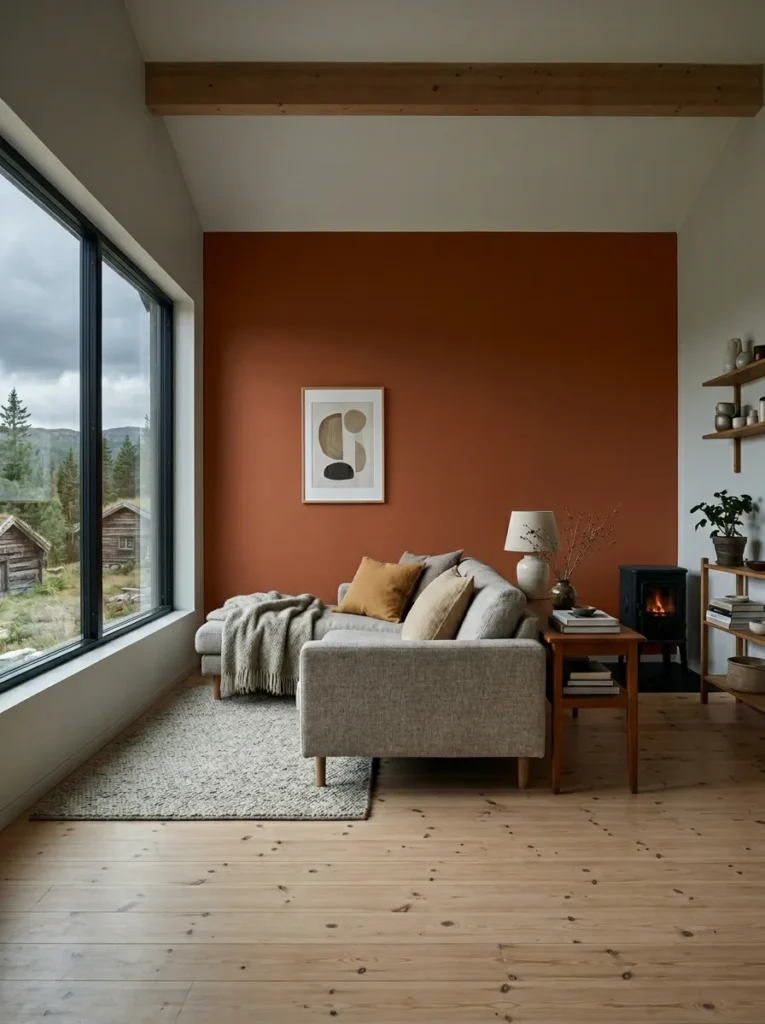
An entirely white or pale room, however well-proportioned, can drift into feeling unanchored, like the eye has nowhere to land. One wall — usually the one behind the sofa or anchoring the seating area — painted in a deeper, warmer tone than the rest of the room gives the space a clear focal point without requiring any additional furniture or styling to do it. Choose a tone that’s still within the same warm or cool family as the rest of the room; a jarring contrast undoes the calm a minimal room is trying to establish in the first place. This is the decision most minimal living room guides skip, probably because an all-white room photographs as more obviously “minimal” at first glance, even though it’s often less successful in person.
11. Choose Open Shelving With Deliberate Gaps Rather Than Full Shelves
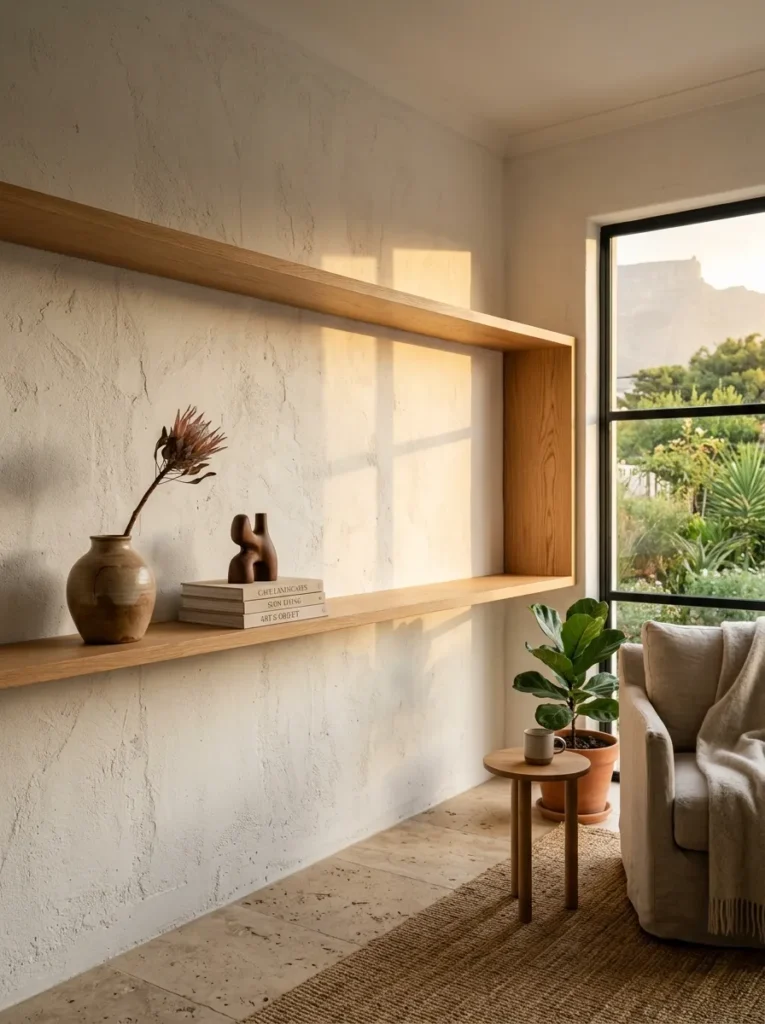
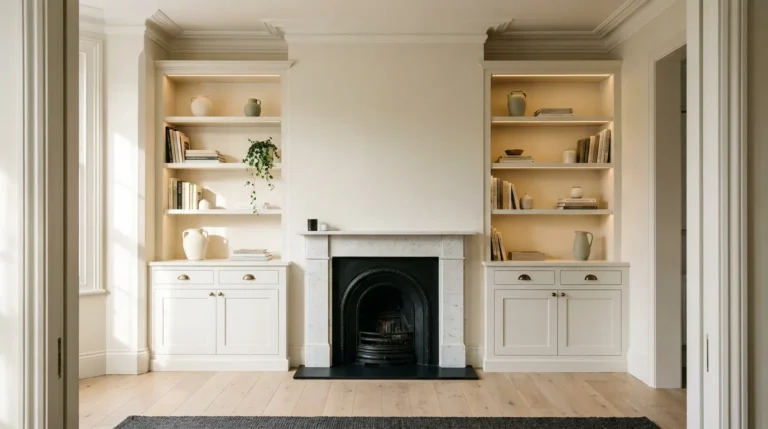
Filling every shelf edge to edge defeats the purpose of open shelving in a minimal room, turning what should be a calm display into a dense wall of objects. Leave at least one shelf, or one section of a longer shelf, genuinely empty. The gaps do real visual work, giving the eye somewhere to rest between the objects that are actually displayed, and they make the items you’ve chosen to keep look more deliberately selected rather than simply accumulated. A shelf with three carefully chosen objects and visible empty space around them reads as considerably more curated than the same shelf packed with twelve.
12. Add Warmth Through One Tactile Throw Rather Than Multiple Accent Cushions
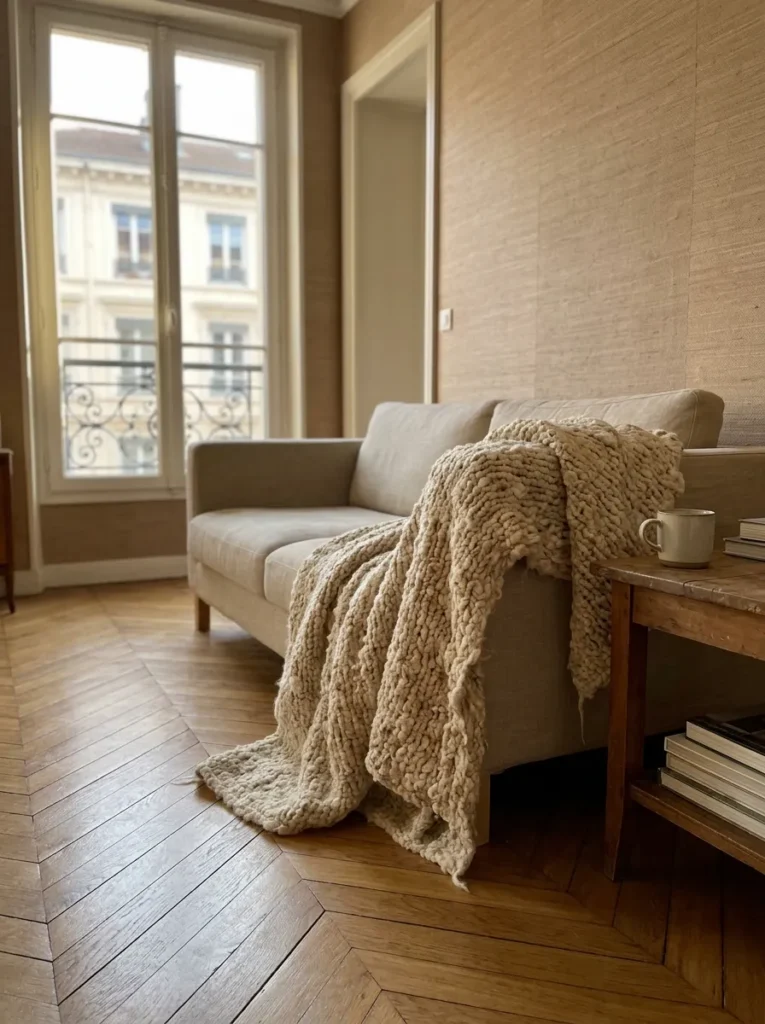
A pile of accent cushions is the default way to soften a minimal sofa, and it also tends to clutter a clean silhouette faster than almost anything else in the room. A single substantial throw in raw wool or boucle, draped loosely over one arm rather than folded with precision, adds the same warmth and tactility with one object instead of five. The looseness matters — a throw arranged too perfectly looks staged in a way that undercuts the relaxed feeling a minimal living room should have. Let it fall a little unevenly. That’s the whole point.
13. Choose a Single Large Piece of Art Over a Gallery Wall
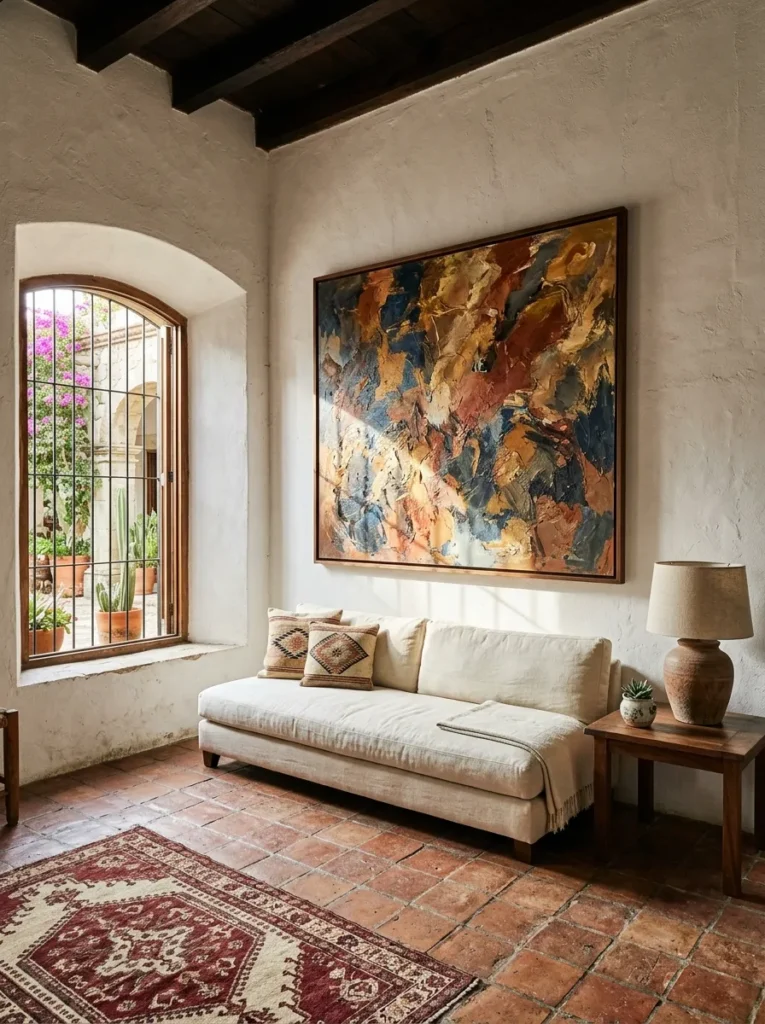
A gallery wall, however well curated, introduces a dozen small visual decisions into a room that’s trying to make as few decisions visible as possible. One large piece of art, sized generously relative to the wall it occupies — at least two-thirds the width of the sofa beneath it — gives the room a single confident statement instead of many smaller competing ones. This is a more expensive choice than several smaller framed prints bought over time, and it’s also the one most likely to make a minimal living room feel gallery-calm rather than simply under-decorated.
14. Use Hidden Storage to Keep Surfaces Genuinely Empty
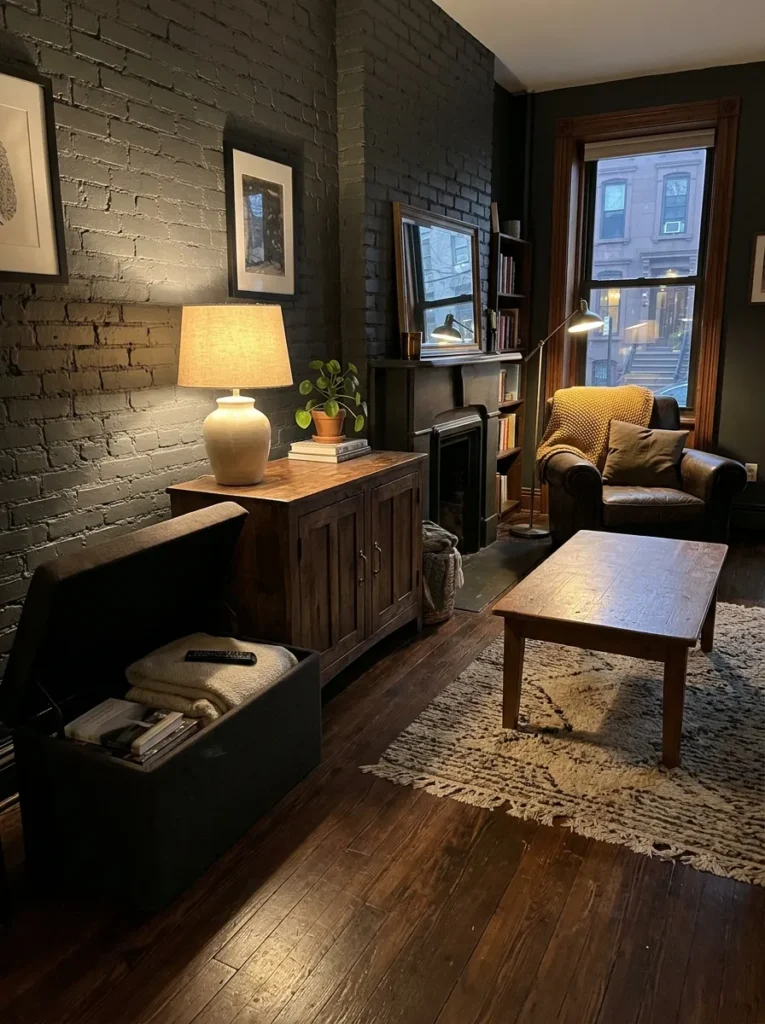
A minimal room only looks minimal if the actual mess of daily life has somewhere to go that isn’t visible. A storage ottoman, a console with closed cabinet doors rather than open shelving, a coffee table with a hidden drawer — these give remote controls, chargers, and mail an actual home so surfaces can stay clear without constant active tidying. This is the unglamorous, practical half of minimalism that aspirational photos rarely show, and it’s also the difference between a room that looks calm because it’s genuinely organised and one that just looks calm for the length of a single photograph.
15. Choose Furniture With Rounded or Soft-Edged Silhouettes Over Sharp Angles
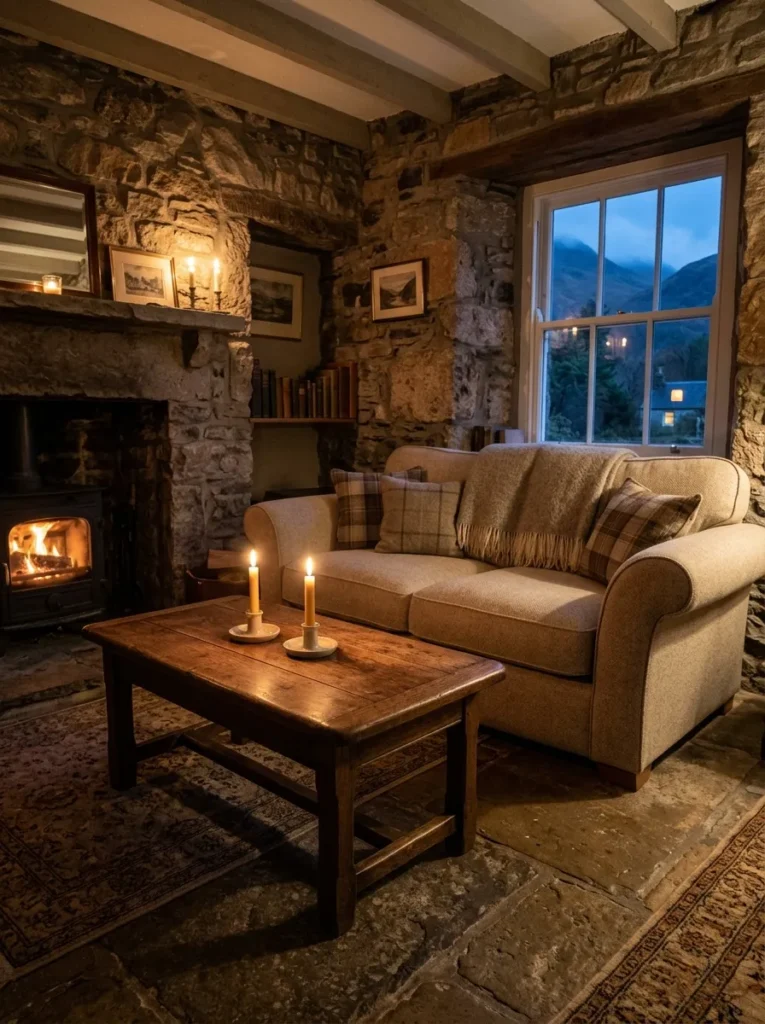
Sharp-edged furniture photographs well in isolation but tends to make a small or medium minimal living room feel more rigid and less relaxing than it needs to. A sofa with softly rounded arms, a coffee table with bullnose edges, an accent chair with a gently curved back, collectively shift the room’s feeling from architectural to genuinely comfortable without adding a single extra object. This is a subtler decision than most on this list, and it’s also one that compounds — a room full of softly edged pieces feels noticeably calmer than the same layout with sharp angles throughout, even when every other variable stays identical.
16. Stop Adding Once the Room Feels Slightly Underdone
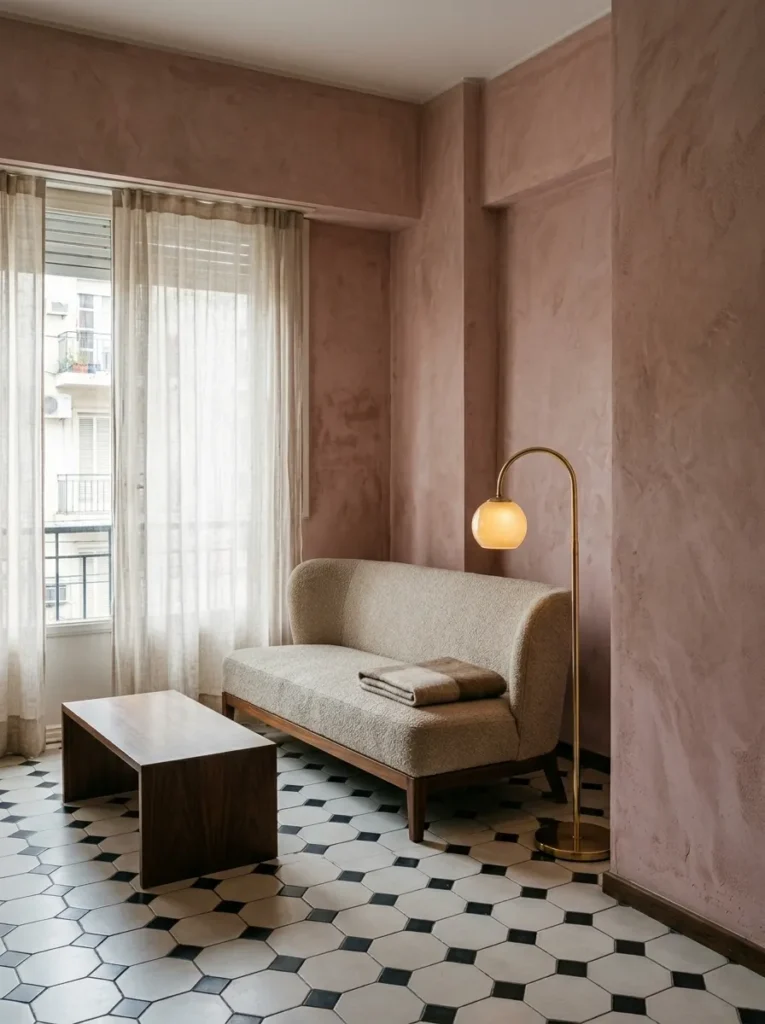
Every other idea on this list pushes toward more intentional choices, more considered objects, more deliberate texture. This last one pushes the other way. The instinct, once a minimal room starts coming together, is to keep adding small finishing touches until it feels complete — and that instinct is almost always wrong. The room that feels slightly underdone, with one obviously bare shelf or one wall left untouched, is usually closer to correct than the version that feels fully resolved. Most minimal living room guides won’t tell you this because it’s hard to photograph restraint as convincingly as it photographs a finished, fully styled room. Stop one step before you think you’re done. The room will thank you for it, and so will you, eventually.
Final Thoughts
Start with the sofa and the rug — those two decisions, more than any other on this list, set the tone for whether the room reads as calm or simply empty. Once those are right, the rest of these minimal living room ideas are mostly about restraint applied with intention rather than restraint applied by default. A clean room isn’t one where nothing has been added. It’s one where everything that has been added was actually considered. Don’t aim for a finished room on the first pass. Aim for one that still has room to breathe, and trust that the gaps are doing as much work as the objects.
Save these minimal living room ideas for your next living room refresh or renovation project.